2025 SNAP Benefit Increase: Your Guide to Maximizing Aid

The 2025 SNAP benefit increase signifies a crucial adjustment to federal food assistance, designed to help eligible households better afford nutritious food amidst rising living costs and optimize their usage for enhanced food security.
As we approach 2025, many households across the United States are keenly awaiting news regarding the Supplemental Nutrition Assistance Program (SNAP). The potential for a 2025 SNAP increase is more than just a number; it represents a lifeline for millions, directly impacting their ability to put food on the table. Understanding what this increase means for your family and how to make the most of every dollar is crucial in navigating the complexities of household budgeting.
Understanding the 2025 SNAP Benefit Increase
The Supplemental Nutrition Assistance Program (SNAP), formerly known as food stamps, is a federal program that provides food assistance to low-income individuals and families. Each year, adjustments are made to benefit amounts to account for inflation, cost of living changes, and other economic factors. The anticipated 2025 SNAP benefit increase is designed to ensure that the program continues to provide meaningful support to those who need it most, helping them afford a healthy diet.
These adjustments are not arbitrary; they are based on careful calculations by the U.S. Department of Agriculture (USDA), which oversees the program. Factors like the Thrifty Food Plan (TFP), a model of a nutritious diet at a minimal cost, play a significant role in determining the maximum benefit amounts. Understanding this foundational aspect helps beneficiaries grasp why and how their benefits fluctuate.
Factors Influencing SNAP Adjustments
Several key elements contribute to the annual recalculation of SNAP benefits. These include economic indicators, such as the Consumer Price Index (CPI), which measures changes in the prices of goods and services. When the cost of food rises, so too does the need for increased assistance to maintain purchasing power.
- Inflation: Rising food prices directly impact the value of SNAP benefits, necessitating adjustments to maintain purchasing power.
- Economic Conditions: Broader economic trends, including unemployment rates and wage growth, also influence the need for and level of food assistance.
- Thrifty Food Plan (TFP): This USDA-designed meal plan serves as the basis for calculating maximum SNAP allotments, ensuring benefits reflect a reasonable cost for a nutritious diet.
- Congressional Mandates: Legislative actions can also prompt or influence changes to SNAP benefit levels, often in response to significant economic shifts or public health crises.
The 2025 increase aims to address the ongoing challenges many households face with food insecurity, ensuring that the benefits keep pace with the real cost of groceries. This proactive approach helps to stabilize household budgets and promotes better health outcomes for beneficiaries.
The upcoming year’s adjustments are expected to reflect current economic realities, providing essential support. Keeping informed about these changes is the first step towards effectively managing your household’s food resources.
Eligibility Criteria and How to Apply for SNAP
To qualify for SNAP benefits, applicants must meet specific federal and state-specific eligibility requirements. These typically revolve around income and resource limits, household composition, and residency status. Understanding these criteria is essential before initiating the application process to ensure a smooth and successful outcome.
While federal guidelines set the baseline, individual states have some flexibility in implementing certain aspects of the program. This means that income thresholds and specific documentation requirements can vary slightly depending on where you reside. It’s always advisable to consult your state’s SNAP agency for the most accurate and up-to-date information.
Common Eligibility Requirements
Most applicants must meet gross and net income limits, which are adjusted annually. Gross income is a household’s total income before deductions, while net income is after allowable deductions. Additionally, certain resource limits apply, though many assets like a home or vehicles are often excluded.
- Income Limits: Typically set at a percentage of the federal poverty level, these limits vary by household size.
- Resource Limits: While most households must meet resource limits, some assets, such as a primary residence and certain retirement accounts, are generally exempt.
- Work Requirements: Able-bodied adults without dependents (ABAWDs) may have work or training requirements, though exemptions exist.
- Citizenship/Residency: Applicants must be U.S. citizens or qualified non-citizens residing legally in the U.S.
The application process generally involves filling out a form, either online, by mail, or in person, and then participating in an interview with a SNAP caseworker. You will need to provide documentation to verify your identity, income, resources, and expenses. This documentation helps the agency determine your eligibility and the correct benefit amount.
Gathering all necessary documents beforehand, such as pay stubs, bank statements, utility bills, and proof of identity, can significantly expedite the application process. Being prepared demonstrates your readiness and helps caseworkers process your application efficiently.
Maximizing Your SNAP Benefits: Smart Shopping Strategies
Receiving SNAP benefits is the first step; the next is learning how to maximize their purchasing power. With the 2025 SNAP increase, it becomes even more vital to employ smart shopping strategies that stretch your food budget further. This involves careful planning, knowing where to shop, and understanding how to leverage sales and discounts.
Effective grocery shopping is an art, especially when working with a limited budget. It’s about making conscious choices that prioritize nutrition and value. By adopting a few key habits, beneficiaries can ensure their benefits cover a wider range of healthy and essential food items.
Key Strategies for Stretching Your Food Budget
Planning meals and creating a shopping list before heading to the store can prevent impulse purchases and ensure you buy only what you need. Comparing prices, utilizing store loyalty programs, and looking for seasonal produce can also yield significant savings.
- Meal Planning: Plan your meals for the week around sales and what you already have, reducing waste and unnecessary purchases.
- Shopping Lists: Stick strictly to your shopping list to avoid impulse buys and stay within your budget.
- Compare Prices: Check flyers and online ads for different stores to find the best deals on staples.
- Buy in Bulk (Wisely): Purchase non-perishable items like rice, pasta, and canned goods in larger quantities when on sale, but only if you have storage space and will use them.
- Seasonal Produce: Opt for fruits and vegetables that are in season, as they are typically fresher and more affordable.
Consider visiting farmers’ markets, as many now accept SNAP benefits (EBT cards) and may even offer programs that double your SNAP dollars for produce purchases. This not only supports local agriculture but also provides access to fresh, healthy options.
Freezing leftovers, cooking larger batches, and incorporating budget-friendly ingredients like beans, lentils, and eggs into your diet are also excellent ways to make your benefits go further. Every small saving contributes to a more robust food supply for your household.
Understanding EBT Cards and Their Usage
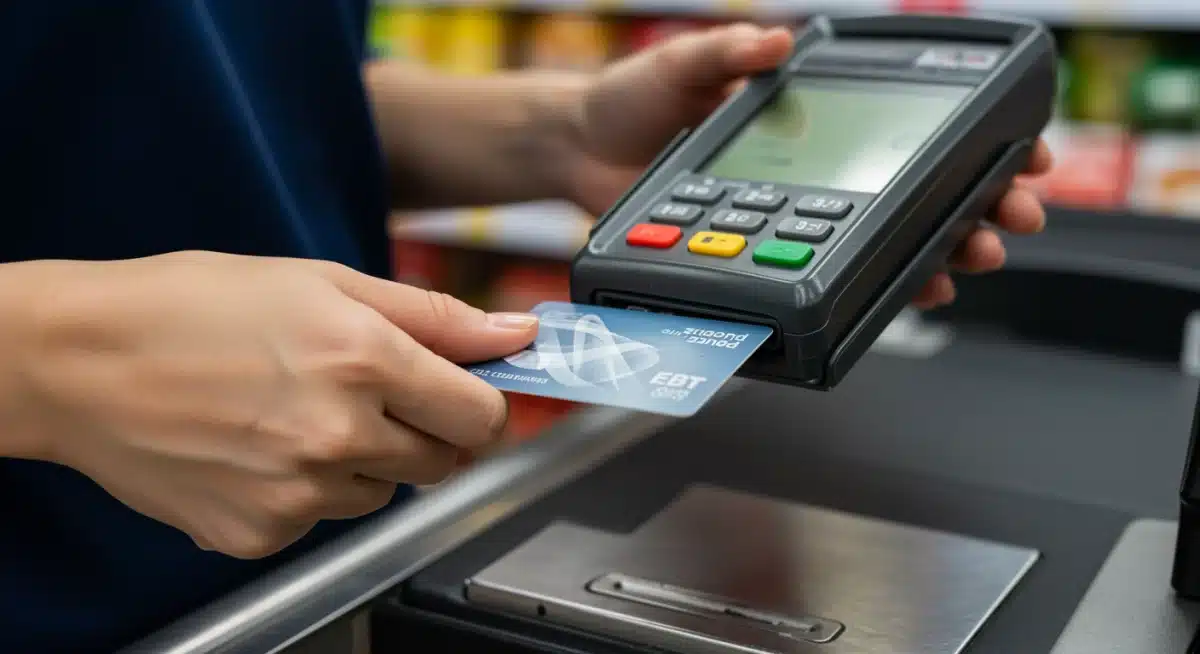
The Electronic Benefits Transfer (EBT) card is the primary method for delivering SNAP benefits. It functions much like a debit card, allowing recipients to make food purchases at authorized retailers. Understanding how to use your EBT card effectively and securely is fundamental to accessing your benefits without issues.
Each month, your SNAP benefits are electronically loaded onto your EBT card. You can check your balance through various methods, including online portals, phone hotlines, or by looking at your last receipt. Keeping track of your balance helps you manage your spending and avoid overspending.
How to Use Your EBT Card Effectively
When shopping, simply swipe your EBT card at the checkout and enter your Personal Identification Number (PIN). It’s crucial to remember that SNAP benefits can only be used for eligible food items, which generally include most groceries, but exclude alcohol, tobacco, hot prepared foods, and non-food items.
- PIN Security: Keep your PIN confidential and never share it with anyone.
- Balance Checks: Regularly check your EBT balance to stay informed about available funds.
- Eligible Items: Know what you can and cannot purchase with your EBT card to avoid issues at checkout.
- Online Shopping: Many retailers now accept EBT for online grocery orders, offering convenience and access to a wider selection.
- Reporting Issues: Report lost, stolen, or damaged cards immediately to prevent unauthorized use.
Online EBT usage has become increasingly popular, especially since the pandemic. Many major grocery chains now allow you to use your EBT card for online orders for pickup or delivery, providing greater flexibility and convenience, particularly for those with transportation challenges or health concerns.
Always ensure you are shopping at an authorized SNAP retailer. Most grocery stores, supermarkets, and many farmers’ markets display signs indicating their acceptance of EBT cards. Familiarizing yourself with these details ensures a smooth shopping experience.
Beyond Groceries: Additional Resources and Support for SNAP Beneficiaries
While SNAP primarily focuses on food assistance, beneficiaries often have access to a wider network of support programs and resources. These additional services can further alleviate financial strain and contribute to overall household well-being. It’s important to explore these options to maximize the comprehensive support available.
Many communities offer programs that complement SNAP, such as food banks, pantries, and meal delivery services for seniors or individuals with disabilities. These resources can provide supplemental food, freeing up SNAP benefits for other essential groceries or dietary needs.
Connecting with Community Support
Leveraging community resources can significantly enhance your household’s food security and access to nutritious options. Many organizations work in tandem with SNAP to offer a more holistic support system.
- Food Banks and Pantries: These organizations provide free or low-cost food assistance, often supplementing SNAP benefits.
- WIC Program: The Special Supplemental Nutrition Program for Women, Infants, and Children (WIC) offers food, education, and healthcare referrals for pregnant women, new mothers, infants, and young children.
- School Meal Programs: Free or reduced-price school meals ensure children receive nutritious food during the school day.
- Farmers’ Market Incentives: Some farmers’ markets offer programs that match SNAP dollars when used to purchase fresh produce.
- Utility Assistance Programs: Many states offer programs to help low-income households with utility bills, indirectly freeing up funds for food.
Beyond food, some SNAP recipients may also qualify for other benefits, such as Medicaid for healthcare, housing assistance, or discounted internet services. These interconnected programs aim to provide a safety net that addresses various aspects of poverty.
Connecting with local social service agencies or community centers can help you navigate the array of available programs. They often have specialists who can guide you through eligibility requirements and application processes for various forms of assistance.
Advocacy and Future Outlook for SNAP Benefits
The future of SNAP benefits is continually shaped by policy discussions, legislative actions, and ongoing advocacy efforts. Understanding these dynamics is crucial for beneficiaries and advocates alike, as it impacts the stability and adequacy of food assistance programs. The 2025 SNAP increase is a testament to the ongoing commitment to address food insecurity, but continuous dialogue is needed.
Advocacy groups, non-profit organizations, and concerned citizens play a vital role in ensuring that SNAP remains a robust and effective program. Their efforts often focus on protecting benefit levels, expanding eligibility, and streamlining access for those in need. Public awareness and engagement are key drivers of these initiatives.
The Role of Advocacy in Shaping SNAP
Various stakeholders contribute to the conversation around SNAP, influencing policy decisions and funding. These efforts are critical for maintaining and improving the program’s reach and effectiveness.
- Legislative Engagement: Advocates regularly engage with lawmakers to highlight the impact of SNAP and propose policy improvements.
- Public Awareness Campaigns: Raising public understanding of food insecurity and the role of SNAP helps garner support for the program.
- Research and Data: Studies on the effectiveness of SNAP provide evidence-based arguments for policy changes and funding allocations.
- Community Organizing: Grassroots efforts mobilize beneficiaries and their supporters to voice their needs and concerns to policymakers.
- Partnerships: Collaborations between government agencies, non-profits, and private sector entities work to enhance food access and nutrition education.
Looking ahead, discussions around SNAP often include proposals for further enhancements, such as adjusting the Thrifty Food Plan more frequently or expanding eligibility to a broader range of low-income individuals. These conversations aim to ensure the program evolves to meet the changing needs of the population.
Staying informed about proposed legislative changes and participating in advocacy efforts, even through simple actions like contacting your representatives, can contribute to a stronger and more effective SNAP program for years to come. Your voice matters in shaping future food assistance policies.
Preparing for the 2025 SNAP Increase: A Household Checklist
With the anticipated 2025 SNAP increase on the horizon, proactive preparation can help your household seamlessly integrate these changes and optimize your benefits. This involves reviewing your current situation, understanding potential impacts, and adjusting your household budget accordingly. Being prepared ensures you can fully leverage the increased assistance.
A well-thought-out checklist can serve as a practical guide to ensure you don’t miss any crucial steps. From verifying your eligibility to updating your financial records, each item plays a role in maximizing the positive effect of the increased benefits on your family’s food security.
Essential Steps for Household Preparation
Taking the time to organize your documents and review your household’s financial standing will put you in a strong position to benefit from the upcoming changes. This preparation can also help identify any other support programs you might be eligible for.
- Verify Eligibility: Double-check your household’s income and resource status against updated 2025 SNAP eligibility guidelines for your state.
- Update Information: Ensure your state SNAP agency has your most current contact and household information to receive important updates.
- Review Budget: Re-evaluate your household food budget to incorporate the expected increase, planning how best to allocate the additional funds.
- Explore Local Resources: Research local food banks, farmers’ markets, and other community programs that can supplement your SNAP benefits.
- Financial Literacy: Consider workshops or resources that offer tips on budgeting, healthy eating on a budget, and smart shopping.
It’s also a good practice to keep an eye on official announcements from your state’s SNAP agency or the USDA. These sources will provide the most accurate details regarding the effective date and specific amounts of the 2025 increase. Relying on official communications helps avoid misinformation.
By taking these preparatory steps, your household can be ready to capitalize on the 2025 SNAP increase, ensuring greater food security and a more stable financial outlook for your family. Proactive management is key to unlocking the full potential of these vital benefits.
| Key Point | Brief Description |
|---|---|
| 2025 SNAP Increase | Anticipated adjustments to SNAP benefits based on inflation and cost of living to enhance food security. |
| Eligibility Criteria | Income and resource limits, household composition, and residency determine qualification for benefits. |
| Optimizing Usage | Smart shopping, meal planning, and leveraging community resources extend the value of SNAP benefits. |
| EBT Card Functionality | Electronic Benefits Transfer (EBT) cards are used like debit cards for eligible food purchases at authorized retailers. |
Frequently Asked Questions About the 2025 SNAP Increase
The main reason for the 2025 SNAP benefit increase is to adjust for inflation and rising food costs, ensuring that benefits maintain their purchasing power and continue to provide adequate food assistance to eligible low-income households. The USDA regularly evaluates economic data to make these necessary adjustments.
The exact amount of the 2025 SNAP increase for your state will typically be announced by your state’s SNAP agency or the USDA. It’s best to check your state’s official SNAP website, contact their hotline, or review any mailed notices you receive for the most accurate and personalized information.
Yes, SNAP benefits, including any increased amounts, cannot be used to purchase certain items. These typically include alcoholic beverages, tobacco products, hot prepared foods, vitamins, medicines, pet food, cleaning supplies, and other non-food items. The focus remains on groceries for home preparation.
If your EBT card is lost, stolen, or damaged, you should immediately contact your state’s EBT customer service hotline. This number is usually found on the back of your card or on your state’s SNAP website. Reporting it promptly helps prevent unauthorized use and allows you to request a replacement card.
Yes, many major grocery retailers now accept SNAP EBT for online grocery purchases, including options for pickup and delivery. You’ll need to check if your preferred store participates in the online EBT program. This offers a convenient way to shop, especially for those with limited mobility or transportation.
Conclusion
The forthcoming 2025 SNAP benefit increase represents a critical adjustment designed to bolster food security for millions of American households. By understanding the intricacies of eligibility, mastering smart shopping techniques, and leveraging all available community resources, beneficiaries can significantly optimize their usage of these vital funds. This proactive approach not only helps families navigate the rising cost of living but also fosters greater stability and well-being, underscoring the enduring importance of the SNAP program in building stronger, healthier communities.