New SNAP Guidelines 2026: Boost Your Monthly Food Assistance Up to 15%
Anúncios
New SNAP Guidelines for 2026: How Recent Updates Could Increase Your Monthly Food Assistance by up to 15%
As we approach 2026, millions of Americans relying on the Supplemental Nutrition Assistance Program (SNAP) are keenly anticipating changes that could significantly impact their monthly food assistance. The landscape of federal aid is constantly evolving, and the SNAP Guidelines 2026 are poised to bring about substantial updates. These revisions are not merely administrative tweaks; they represent a concerted effort to address the rising cost of living and enhance food security for vulnerable populations. For many, these new guidelines could translate into a welcome increase of up to 15% in their monthly benefits, offering a much-needed boost to household budgets and ensuring access to nutritious food.
Understanding these upcoming changes is crucial for current beneficiaries and those considering applying. This comprehensive guide will delve into the specifics of the new SNAP Guidelines 2026, breaking down eligibility criteria, benefit calculation methods, and the broader implications for families across the nation. We will explore the factors driving these adjustments, the potential impact on different household types, and practical steps you can take to ensure you receive the maximum assistance available under the revised program.
Anúncios
The federal government, in conjunction with state agencies, regularly reviews and adjusts SNAP policies to reflect economic realities, inflation, and the nutritional needs of low-income individuals and families. The 2026 updates are expected to be particularly impactful, building on previous efforts to modernize the program and make it more responsive to current challenges. From increased maximum allotments to modified income thresholds, every aspect of the program is under scrutiny to better serve those in need. Let’s embark on a detailed exploration of what these exciting changes mean for you and your family.
Understanding the Core Changes in SNAP Guidelines 2026
The bedrock of the SNAP Guidelines 2026 revolves around several key areas: maximum benefit allotments, income eligibility thresholds, and allowable deductions. These elements collectively determine how much assistance a household receives. The projected increase of up to 15% is a significant figure, and it’s essential to understand the mechanisms behind it. This percentage is not a blanket increase for everyone; rather, it reflects the potential maximum enhancement some households might experience due to a combination of factors.
Anúncios
One of the primary drivers for these changes is the ongoing evaluation of the Thrifty Food Plan (TFP), which serves as the basis for calculating SNAP benefits. The TFP is an estimate of what it costs to provide a healthy, low-cost diet for a family. Periodically, the U.S. Department of Agriculture (USDA) revisits the TFP to ensure it accurately reflects current food prices and dietary recommendations. The 2026 adjustments are anticipated to incorporate updated TFP calculations, which inherently lead to higher benefit levels to account for inflation and the actual cost of a nutritious diet.
Beyond the TFP, other factors influencing the new SNAP Guidelines 2026 include:
- Inflationary Adjustments: The cost of food, housing, and other necessities has continued to rise. The new guidelines are expected to reflect these economic realities, ensuring that SNAP benefits retain their purchasing power.
- Income Threshold Revisions: Federal poverty levels (FPL) are updated annually, and SNAP eligibility is often tied to these benchmarks. It is anticipated that the income thresholds for SNAP eligibility will be adjusted upwards, allowing more low-income families to qualify or existing beneficiaries to receive higher amounts.
- Standard and Medical Deductions: Deductions for expenses like housing, utilities, and medical costs for elderly or disabled members can significantly reduce a household’s countable income, thereby increasing their SNAP benefits. The 2026 guidelines might see an increase in these standard deductions, or a modification in how certain expenses are treated, further boosting assistance.
These interconnected changes aim to create a more robust and responsive program. For example, an increase in the maximum allotment due to a revised TFP, combined with higher income thresholds and more generous deductions, could cumulatively lead to the aforementioned 15% increase for eligible households. It’s a holistic approach designed to provide more meaningful support.
Who Will Benefit Most from the SNAP Guidelines 2026 Updates?
While the goal of the SNAP Guidelines 2026 is to improve food security across the board, certain demographics and household types are likely to experience the most significant positive impact. Understanding these specific scenarios can help individuals and families assess their potential for increased benefits.
Families with Children
Historically, families with children constitute a large portion of SNAP beneficiaries. The rising costs associated with raising children, from food to educational supplies, often strain household budgets. The anticipated increases in benefits, driven by updated TFP values and potentially higher income thresholds, will be particularly beneficial for these families. More generous benefits mean more nutritious meals for growing children, contributing to better health outcomes and academic performance.
Elderly and Disabled Individuals
Elderly individuals and those with disabilities often face unique challenges, including fixed incomes and higher medical expenses. The SNAP Guidelines 2026 are expected to pay close attention to these groups. Any increases in standard deductions, particularly for medical expenses, or adjustments to income limits that better accommodate limited fixed incomes, could lead to substantial increases in their monthly food assistance. This is crucial for maintaining independence and ensuring access to necessary nutrition without compromising other essential needs.
Low-Income Working Families
Many working families struggle to make ends meet, especially those in low-wage jobs. The new guidelines might offer greater flexibility regarding earned income, potentially allowing these families to earn slightly more without a drastic reduction in their SNAP benefits. This could be achieved through adjustments to the earned income disregard, which allows a portion of earned income to be excluded when calculating benefits. Such changes would encourage work while still providing a vital safety net.
Households in High-Cost-of-Living Areas
The cost of living varies significantly across different regions of the United States. While SNAP benefits are largely standardized federally, some state-level variations and deductions can account for higher living expenses. If the SNAP Guidelines 2026 incorporate mechanisms to better address regional cost disparities, households in expensive urban or rural areas could see a more pronounced increase in their benefits, helping to bridge the gap between their income and local living costs.
Navigating the Application Process Under the New SNAP Guidelines
Even with favorable changes in the SNAP Guidelines 2026, successfully applying for or recertifying SNAP benefits requires careful attention to detail. The application process, while designed to be accessible, can sometimes be complex. Here’s what you need to know to navigate it effectively:
Understanding Eligibility Criteria
The core eligibility for SNAP relies on income and resource limits. For most households, gross income must be at or below 130% of the federal poverty level, and net income must be at or below 100% of the federal poverty level. However, households with an elderly or disabled member only need to meet the net income test. Resources (like bank accounts) are also considered, though certain assets like homes and vehicles are typically excluded.
Under the SNAP Guidelines 2026, these thresholds are expected to be adjusted. It is vital to check the most current figures from your state’s SNAP agency or the USDA website as 2026 approaches. Even if you were previously deemed ineligible, the new criteria might open doors to assistance.
Required Documentation
When applying, you will need to provide documentation to verify your identity, residency, income, resources, and expenses. This typically includes:
- Proof of identity (e.g., driver’s license, state ID)
- Proof of residency (e.g., utility bill, lease agreement)
- Social Security numbers for all household members
- Proof of income (e.g., pay stubs, benefit letters, tax returns)
- Proof of resources (e.g., bank statements)
- Proof of expenses (e.g., rent/mortgage statements, utility bills, child care receipts, medical bills for elderly/disabled)
Gathering these documents in advance can significantly expedite your application process. The SNAP Guidelines 2026 will still require thorough documentation to prevent fraud and ensure benefits go to eligible individuals.
The Application Process: Step-by-Step
- Locate Your State Agency: SNAP is federally funded but administered at the state level. Find your local SNAP office or website.
- Complete the Application: Most states offer online applications, but you can also apply in person, by mail, or by fax. Be thorough and accurate.
- Interview: After submitting your application, you will likely need to complete an interview with a SNAP caseworker. This can often be done over the phone.
- Verification: The caseworker will review your documentation and may request additional information to verify your eligibility.
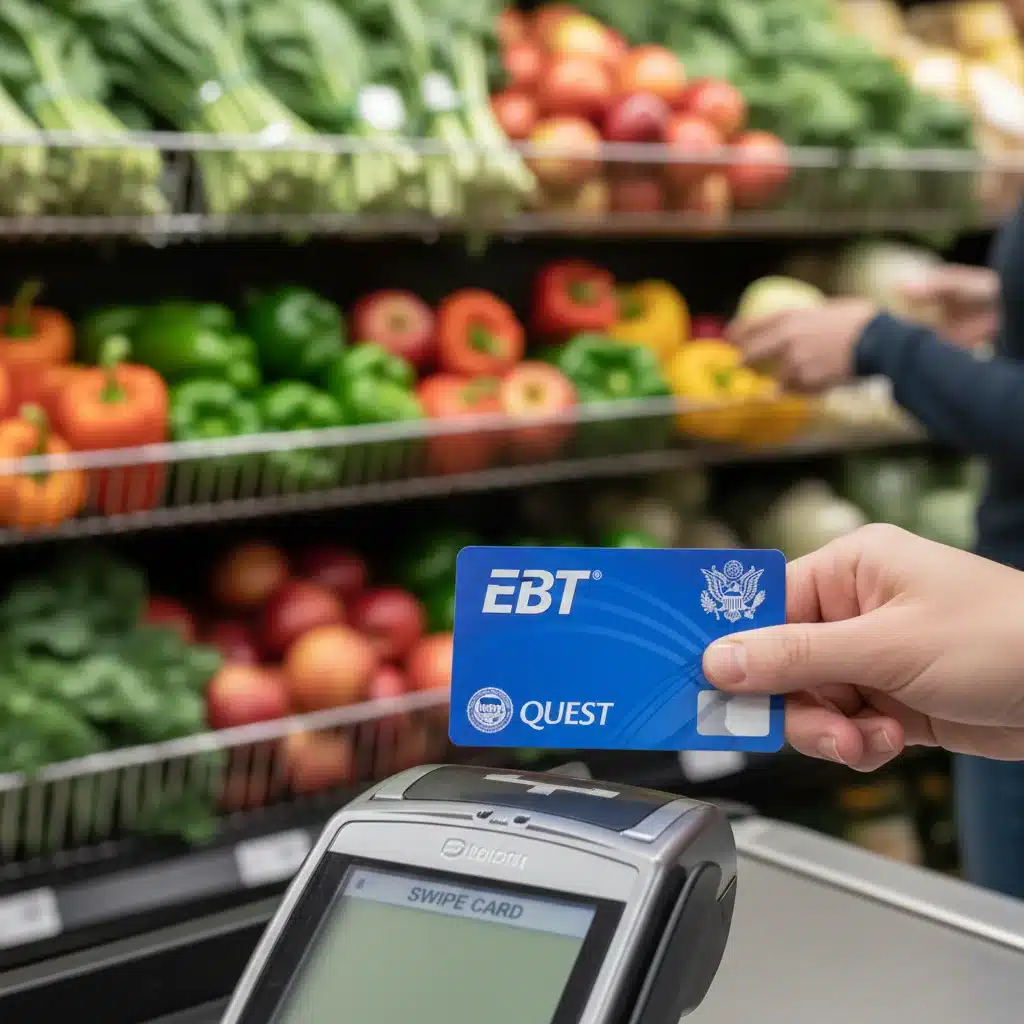
- Decision: You will be notified of the decision regarding your application, typically within 30 days. If approved, you will receive an Electronic Benefit Transfer (EBT) card.
Staying proactive and responsive to requests from your caseworker will be key to a smooth application process under the updated SNAP Guidelines 2026.
Maximizing Your Benefits Under the New SNAP Guidelines 2026
Receiving SNAP benefits is a lifeline for many, but simply qualifying is only part of the equation. Maximizing your benefits under the SNAP Guidelines 2026 means understanding all available deductions and reporting changes accurately. The difference between a basic benefit and a maximized benefit can be substantial, potentially contributing to that 15% increase.
Reporting All Allowable Deductions
Deductions reduce your countable income, which is the income figure used to determine your benefit amount. The lower your countable income, the higher your SNAP benefits. It’s crucial to report all eligible deductions, as even small amounts can add up. Key deductions include:
- Standard Deduction: A fixed amount based on household size. This is likely to be adjusted in the SNAP Guidelines 2026.
- Earned Income Deduction: 20% of gross earned income is disregarded.
- Dependent Care Deduction: Expenses paid for childcare or care for other dependents necessary for work, training, or education.
- Medical Expense Deduction: For elderly (60+) or disabled household members, medical expenses exceeding a certain amount (e.g., $35) can be deducted. Keep meticulous records of all medical costs.
- Shelter Deduction: This is often the largest deduction. It includes rent or mortgage payments, property taxes, homeowner’s insurance, and utility costs. The shelter deduction is capped for most households, but the cap is waived for elderly or disabled households.
- Utility Standard: Many states offer a standard utility allowance (SUA) that you can choose instead of actual utility bills, simplifying the process and often providing a higher deduction.
Ensure you report all these expenses accurately during your application and recertification processes to fully leverage the benefit calculation under the SNAP Guidelines 2026.
Understanding Recertification and Reporting Changes
SNAP benefits are not permanent; you must recertify periodically (usually every 6-12 months) to continue receiving them. During recertification, you will need to re-verify your income, expenses, and household composition. It’s also critical to report any significant changes to your household circumstances, such as:
- A change in income (increase or decrease)
- A change in household members (someone moves in or out)
- A change in housing costs or utility expenses
- A change in medical expenses for elderly/disabled members
Failing to report changes promptly can lead to overpayments (which you may have to repay) or underpayments. Staying on top of these requirements ensures that your benefits accurately reflect your current needs under the SNAP Guidelines 2026.

The Broader Impact of Enhanced SNAP Guidelines for 2026
The changes encapsulated within the SNAP Guidelines 2026 extend beyond individual household budgets. They have far-reaching implications for public health, local economies, and the overall fight against food insecurity. An increase in benefits, even by a few percentage points, can create a ripple effect that strengthens communities and supports broader societal goals.
Improved Public Health Outcomes
Access to nutritious food is a fundamental determinant of health. When families have more resources to purchase healthy groceries, they are better able to avoid diet-related illnesses, such as diabetes, heart disease, and obesity. Children who receive adequate nutrition are more likely to perform better in school and have fewer health problems. The enhanced SNAP Guidelines 2026, by boosting purchasing power, directly contribute to improved public health outcomes for millions of Americans.
Furthermore, increased SNAP benefits can alleviate stress associated with food insecurity, which has its own detrimental effects on mental health. By reducing the burden of choosing between food and other necessities, the program fosters a sense of stability and well-being.
Stimulating Local Economies
SNAP benefits are spent directly at grocery stores, farmers’ markets, and other food retailers. This direct injection of funds into local economies has a stimulating effect. Every SNAP dollar spent generates additional economic activity, supporting jobs in the retail, agriculture, and transportation sectors. The projected increase in benefits under the SNAP Guidelines 2026 means more money flowing into these local businesses, creating a positive economic cycle, particularly in underserved communities.
Studies have consistently shown that SNAP is one of the most effective forms of economic stimulus, especially during economic downturns, because the benefits are spent quickly and locally.
Strengthening the Social Safety Net
SNAP is a critical component of the nation’s social safety net, providing a crucial buffer against poverty and hunger. The SNAP Guidelines 2026 updates reinforce this safety net, making it more robust and responsive to the needs of low-income populations. In times of economic uncertainty or personal hardship, SNAP ensures that individuals and families do not go hungry. By adapting to current economic conditions, the program maintains its relevance and effectiveness as a primary tool for poverty alleviation.
Addressing Food Deserts and Access Issues
While increased benefits are important, addressing access to healthy food, especially in food deserts, remains a challenge. The SNAP Guidelines 2026 are part of a larger conversation about food policy. Enhanced benefits can empower beneficiaries to seek out healthier options, and ongoing efforts to expand SNAP acceptance at farmers’ markets and online retailers can further improve access to fresh, local produce, helping to bridge geographical gaps in food access.
Preparing for the SNAP Guidelines 2026: What You Can Do Now
Even though 2026 is still some time away, proactive steps can help you prepare for the upcoming SNAP Guidelines 2026 and ensure you are positioned to receive the maximum possible benefits.
Stay Informed
Keep an eye on official announcements from the USDA and your state’s SNAP agency. Government websites are the most reliable sources for information regarding specific dates, eligibility changes, and benefit adjustments. Subscribe to newsletters or follow social media accounts of relevant government bodies or reputable non-profit organizations that advocate for food assistance programs.
Organize Your Documents
Start gathering and organizing all necessary documentation now. This includes income statements, proof of expenses (rent, utilities, medical bills, childcare), identification, and residency proofs. Having these readily available will make the application or recertification process much smoother when the new SNAP Guidelines 2026 come into effect.
Review Your Current Benefits
If you are a current SNAP beneficiary, take the time to review your current benefit amount and understand how it was calculated. This will help you identify any discrepancies or areas where you might be missing out on deductions. When the new guidelines are released, you’ll be better equipped to understand how they specifically impact your household.
Seek Assistance if Needed
Don’t hesitate to reach out to local food banks, community organizations, or legal aid services for assistance with your SNAP application or understanding the new SNAP Guidelines 2026. These organizations often have staff trained to help navigate the complexities of government assistance programs and can provide invaluable support.
Advocate for Continued Support
Understanding and utilizing SNAP benefits is important, but so is advocating for the program’s continued strength. Contacting your elected officials, sharing your story, and supporting organizations that work to combat food insecurity can help ensure that programs like SNAP remain robust and responsive to the needs of the community.
Conclusion: A Brighter Future with Enhanced SNAP Guidelines 2026
The anticipated SNAP Guidelines 2026 represent a significant step forward in the ongoing effort to combat food insecurity and support low-income families across the United States. With potential increases of up to 15% in monthly food assistance, these updates promise to provide much-needed relief and enhance the well-being of millions.
By understanding the core changes, identifying who will benefit most, navigating the application process effectively, and maximizing available deductions, individuals and families can ensure they receive the full scope of assistance available to them. Beyond individual benefits, these enhanced guidelines will contribute to improved public health, stimulate local economies, and strengthen the nation’s vital social safety net.
As 2026 approaches, staying informed and proactive will be paramount. The changes are designed to reflect current economic realities and nutritional needs, making SNAP an even more effective tool in the fight against hunger. Prepare now to embrace the positive impact of the new SNAP Guidelines 2026 and secure a more food-secure future for yourself and your loved ones.