White House Unveils $300 Billion Infrastructure Spending Bill for 2026
Anúncios
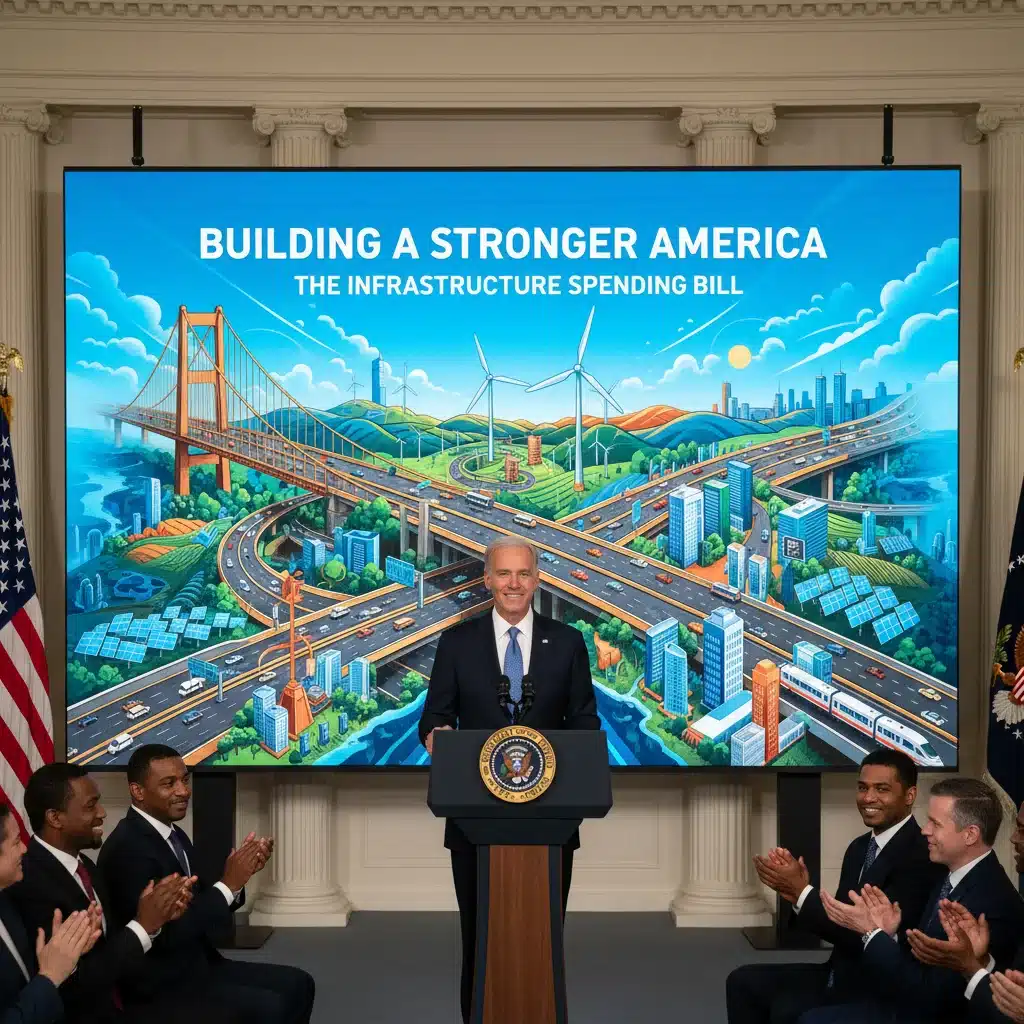
In a landmark announcement that promises to reshape the American landscape and invigorate its economy, the White House today unveiled a colossal $300 billion infrastructure spending bill earmarked for projects commencing in 2026. This ambitious legislative package, a cornerstone of the administration’s long-term economic strategy, aims to address decades of underinvestment in critical national infrastructure, fostering job creation, enhancing competitiveness, and laying a robust foundation for future prosperity. The proposed infrastructure spending bill represents a significant commitment to modernizing the nation’s aging roads, bridges, public transit, water systems, broadband networks, and energy grids. It is designed not just to repair and replace, but to innovate and future-proof, ensuring that the United States remains at the forefront of global development and technological advancement.
Anúncios
The details of the infrastructure spending bill reveal a comprehensive approach, touching upon almost every facet of public works. From sprawling interstate highways that connect our cities to the intricate web of pipelines that deliver clean water to our homes, from high-speed rail networks that promise to revolutionize travel to the expansion of rural broadband that bridges the digital divide, this bill is an all-encompassing blueprint for national revitalization. The White House emphasizes that this is more than just an allocation of funds; it is a strategic investment in the American people and the nation’s future, designed to yield substantial returns in terms of economic growth, environmental sustainability, and social equity.
The Rationale Behind the Massive Infrastructure Spending Bill
For years, experts and policymakers have sounded the alarm about the deteriorating state of American infrastructure. Reports from organizations like the American Society of Civil Engineers (ASCE) have consistently graded the nation’s infrastructure with dismal scores, highlighting the urgent need for substantial investment. Crumbling bridges, congested roadways, unreliable public transit, and outdated water systems not only pose safety risks but also act as significant drags on economic productivity. The White House’s infrastructure spending bill directly confronts these challenges, recognizing that a modern, efficient infrastructure is not a luxury but a fundamental necessity for a thriving economy and a high quality of life.
Anúncios
The administration’s rationale extends beyond mere repair. It envisions a future where American infrastructure is not only robust but also resilient to the impacts of climate change, equipped with cutting-edge technology, and capable of supporting emerging industries. This proactive stance is evident in the bill’s focus on sustainable infrastructure projects, including investments in renewable energy, electric vehicle charging stations, and climate-resilient coastal protections. By integrating sustainability into the core of the infrastructure spending bill, the White House aims to create a greener, more sustainable future for generations to come, while simultaneously stimulating innovation and creating new economic opportunities in green sectors.
Furthermore, the bill is framed as a critical component of national competitiveness. Other developed nations have consistently outpaced the U.S. in infrastructure investment, leading to concerns about America’s ability to compete in a globalized economy. By committing $300 billion, the White House signals a renewed determination to reclaim America’s leadership in infrastructure, ensuring that businesses have the logistical support they need to thrive and that American workers have access to world-class transportation and communication networks. This investment is anticipated to attract new businesses, foster domestic manufacturing, and enhance the overall attractiveness of the U.S. as a hub for innovation and economic activity.
Key Pillars of the 2026 Infrastructure Spending Bill
The $300 billion allocated in the new infrastructure spending bill is strategically distributed across several critical areas, each designed to address specific national needs and contribute to overarching economic and social goals. Understanding these pillars is crucial to appreciating the comprehensive nature of this legislative effort. The bill details specific allocations for transportation, clean water, broadband internet, and energy grids, among others, demonstrating a holistic approach to national development.
Transportation Modernization: Roads, Bridges, and Transit
A significant portion of the funds is dedicated to overhauling the nation’s transportation infrastructure. This includes not only the repair and reconstruction of thousands of miles of roads and bridges, many of which are currently in poor or mediocre condition, but also significant investments in public transit systems. The goal is to reduce traffic congestion, improve safety, and enhance efficiency for commuters and freight alike. Projects will range from repairing potholes and repaving highways to constructing new bypasses and upgrading aging railway lines. The emphasis on public transit aims to provide more accessible and environmentally friendly transportation options, especially in urban areas, reducing reliance on single-occupancy vehicles and mitigating carbon emissions. This aspect of the infrastructure spending bill is expected to have an immediate and tangible impact on daily lives across the country.
Ensuring Clean Water and Resilient Systems
The infrastructure spending bill also allocates substantial resources to modernize America’s water infrastructure. This includes replacing lead pipes, upgrading water treatment plants, and improving wastewater management systems. The Flint water crisis served as a stark reminder of the urgent need for investment in this area, and the White House is committed to ensuring that every American has access to clean, safe drinking water. Beyond just drinking water, the bill also addresses flood control and coastal resiliency, recognizing the increasing threats posed by extreme weather events. Investments in stormwater management, seawalls, and other protective measures are critical components of this aspect, safeguarding communities and vital infrastructure from the impacts of climate change. This focus on water infrastructure is a direct response to longstanding public health and environmental concerns, aiming to create more robust and reliable systems nationwide.
Broadband for All: Bridging the Digital Divide
In an increasingly digital world, access to high-speed internet is no longer a luxury but a fundamental necessity. The infrastructure spending bill includes substantial funding to expand broadband access to unserved and underserved communities, particularly in rural areas and tribal lands. This initiative aims to bridge the digital divide, ensuring that all Americans have the opportunity to participate fully in the modern economy, access educational resources, and receive critical healthcare services through telehealth. The expansion of reliable, affordable internet infrastructure is expected to unlock new economic opportunities, foster remote work, and enhance educational outcomes across the country. This digital infrastructure investment is seen as crucial for future economic equity and national competitiveness.
Modernizing the Energy Grid and Promoting Clean Energy
Another key component of the infrastructure spending bill is the modernization of the nation’s energy grid. This involves upgrading aging transmission lines, enhancing grid security against cyber threats, and integrating more renewable energy sources such as solar and wind power. The goal is to create a more resilient, efficient, and clean energy system that can support the transition away from fossil fuels and reduce greenhouse gas emissions. Investments will also go towards developing and deploying advanced energy storage solutions, smart grid technologies, and electric vehicle charging infrastructure. This forward-looking approach to energy infrastructure is central to the administration’s climate goals and its vision for a sustainable energy future, creating a more reliable and environmentally friendly power supply for all Americans.

Economic Impact and Job Creation Projections
The economic ripple effect of a $300 billion infrastructure spending bill is expected to be profound. The White House projects the creation of millions of good-paying jobs across various sectors, from construction and manufacturing to engineering and technology. These jobs will not only provide immediate employment but also stimulate local economies through increased consumer spending and business activity. The demand for materials, equipment, and skilled labor will boost domestic industries, strengthening supply chains and fostering innovation. The long-term economic benefits are even more significant, as improved infrastructure reduces transportation costs, enhances productivity, and makes the U.S. a more attractive place for businesses to invest and grow. Studies consistently show that every dollar invested in infrastructure yields multiple dollars in economic output, making this bill a powerful engine for sustained economic growth.
Beyond direct job creation, the enhanced efficiency of transportation networks will reduce logistical bottlenecks, allowing businesses to transport goods more quickly and affordably. This will translate into lower costs for consumers and increased competitiveness for American products in global markets. The expansion of broadband will empower small businesses in rural areas, enabling them to reach wider customer bases and participate more fully in the digital economy. Furthermore, investments in clean energy infrastructure will spur growth in nascent industries, creating a new generation of green jobs and positioning the U.S. as a leader in sustainable technology. The cumulative effect of these investments is anticipated to be a significant boost to the nation’s Gross Domestic Product (GDP) over the coming decade, creating a more robust and resilient economy for the long term.
Funding Mechanisms and Bipartisan Support
Funding such a massive infrastructure spending bill requires a carefully considered approach. While specific details on funding mechanisms are still being finalized, the White House has indicated a combination of strategies. These include reallocating existing federal funds, potentially increasing corporate taxes, closing tax loopholes, and issuing infrastructure bonds. The administration is also exploring innovative financing models, such as public-private partnerships, to leverage private capital and expertise in delivering these ambitious projects. The goal is to ensure that the bill is fiscally responsible and does not unduly burden future generations, while still providing the necessary resources to achieve its transformative objectives. The administration is committed to transparency in how these funds will be raised and spent, ensuring accountability throughout the implementation process.
Achieving bipartisan support for such a significant legislative package is often a challenge in Washington, but the White House is actively engaging with members of both parties to build consensus. Infrastructure investment has historically been an area where common ground can be found, as the benefits are tangible and widespread, impacting constituents in every state. Early indications suggest a willingness from both sides of the aisle to work together on this critical issue, recognizing the urgency and national importance of modernizing America’s infrastructure. Successful passage of this infrastructure spending bill would represent a significant legislative achievement, demonstrating the ability of political leaders to unite around shared national priorities and deliver meaningful results for the American people.
Challenges and Implementation Hurdles
While the vision behind the infrastructure spending bill is inspiring, its implementation will undoubtedly face numerous challenges. One of the primary hurdles will be the sheer scale and complexity of coordinating thousands of projects across different states, jurisdictions, and agencies. Ensuring efficient allocation of funds, preventing waste and fraud, and adhering to strict timelines will require robust oversight and effective project management. The White House has indicated it will establish dedicated task forces and utilize advanced data analytics to monitor progress and address potential roadblocks proactively. This commitment to rigorous oversight is crucial for the successful execution of such a large-scale national initiative, minimizing delays and maximizing the impact of every dollar spent.
Another challenge lies in securing a skilled workforce. The demand for construction workers, engineers, electricians, and other trades will surge, necessitating investments in workforce development programs, apprenticeships, and vocational training. The bill itself is expected to incentivize these programs, ensuring that Americans are equipped with the skills needed to build the infrastructure of tomorrow. Furthermore, navigating environmental regulations, land acquisition processes, and community engagement will require careful planning and sensitivity to local concerns. Striking a balance between accelerating project delivery and ensuring environmental protection and community benefits will be a delicate but essential task for the agencies involved in the implementation of the infrastructure spending bill.
Supply chain issues, which have plagued various industries in recent years, could also pose a challenge, particularly for projects requiring large quantities of raw materials or specialized equipment. The administration is working to mitigate these risks by promoting domestic manufacturing and strengthening supply chain resilience, aiming to source as many materials as possible within the United States. This focus on domestic production not only supports American industries but also reduces reliance on potentially volatile international supply chains, ensuring that projects can proceed without undue delays. Overcoming these multifaceted challenges will be critical to translating the ambitious goals of the infrastructure spending bill into tangible improvements for the nation.
Long-Term Vision and Future Implications
The $300 billion infrastructure spending bill for 2026 is not merely a short-term stimulus package; it is a declaration of a long-term vision for America. It aims to create a more connected, sustainable, and equitable nation, ready to meet the challenges and opportunities of the 21st century. By prioritizing investments in critical infrastructure, the White House is betting on the transformative power of public works to drive sustained economic growth, enhance quality of life, and strengthen national resilience. The projects funded by this bill will serve as cornerstones for future development, enabling new technologies, supporting population growth, and fostering a more dynamic and competitive economy for decades to come.
The implications extend beyond economic metrics. A modernized infrastructure will improve public health outcomes through cleaner water and air, enhance educational opportunities through universal broadband, and foster stronger communities by connecting people and places more effectively. It represents a commitment to future generations, ensuring they inherit a nation equipped with the foundational elements necessary for prosperity and well-being. The success of this infrastructure spending bill will be measured not just in dollars spent or miles of road paved, but in the lasting positive impact it has on the lives of everyday Americans and the overall trajectory of the nation. It sets a precedent for continuous investment and strategic planning, moving away from a reactive approach to infrastructure towards a proactive and visionary one, ensuring America’s enduring leadership and prosperity on the global stage.
Conclusion: A New Era of Infrastructure Investment
The White House’s announcement of the $300 billion infrastructure spending bill for 2026 marks a pivotal moment for the United States. It signifies a profound commitment to revitalizing the nation’s foundational assets, stimulating economic growth, creating millions of jobs, and preparing the country for future challenges. While the path to implementation will undoubtedly present complexities, the strategic allocation of funds across transportation, water systems, broadband, and energy grids demonstrates a comprehensive and forward-thinking approach. This ambitious legislative package has the potential to usher in a new era of prosperity and innovation, ensuring that America’s infrastructure is not only robust and reliable but also a beacon of sustainability and technological advancement. As the nation looks towards 2026 and beyond, this infrastructure spending bill stands as a testament to a renewed dedication to building a stronger, more resilient, and more equitable future for all Americans.