Early College Programs 2026: Guide for US High Schoolers

Early college programs offer US high school students a unique opportunity to earn college credits while still in secondary school, providing a significant academic and financial advantage for their future educational journey.
Are you a US high school student looking to gain a competitive edge in your academic future? The landscape of education is continuously evolving, and by 2026, early college programs have become an increasingly popular and practical solution for ambitious students. These innovative pathways allow you to earn college credits, or even an associate’s degree, before you’ve even received your high school diploma, setting the stage for a smoother and more affordable transition into higher education.
understanding early college programs in 2026
Early college programs are designed to immerse high school students in a college-level academic environment, offering them the chance to experience rigorous coursework and earn transferable college credits. This model bridges the gap between secondary and post-secondary education, providing a structured curriculum that often leads to an associate’s degree or a significant number of college credits by the time a student graduates high school. In 2026, these programs are more vital than ever, as they address the rising costs of higher education and the increasing demand for skilled graduates.
These programs typically involve partnerships between high schools and local community colleges or four-year universities. Students might attend classes on a college campus, at their high school taught by college-approved instructors, or through online platforms. The goal is to accelerate their educational journey, allowing them to enter a four-year university with advanced standing, potentially saving thousands in tuition and shortening their overall time to a bachelor’s degree.
types of early college pathways
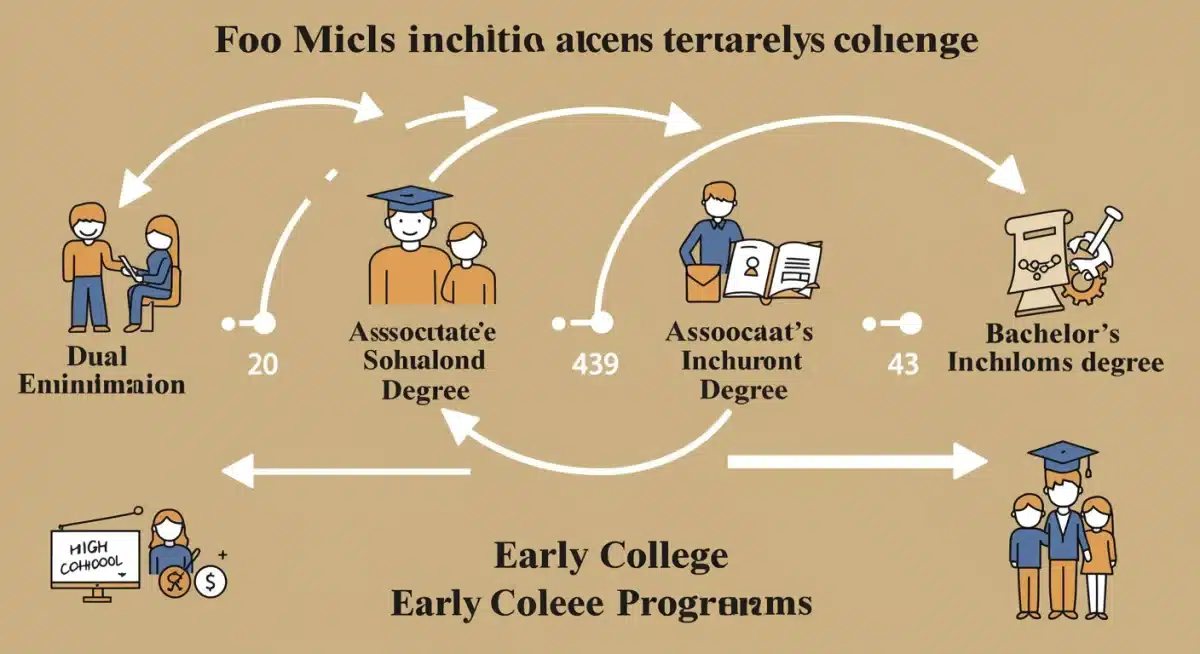
- Dual Enrollment: Students take college courses that count for both high school and college credit.
- Early College High Schools: Entire high schools built around the early college model, where students graduate with a high school diploma and an associate’s degree.
- Concurrent Enrollment: Similar to dual enrollment, but often with specific state-level funding or operational differences.
- Online College Courses: High school students can enroll in accredited online college courses, providing flexibility.
Understanding the nuances of each type is crucial for making an informed decision. While dual enrollment is widely available, early college high schools offer a fully integrated experience, often targeting specific student populations, such as first-generation college students or those from underrepresented backgrounds. The choice depends on a student’s academic goals, the resources available in their district, and their personal learning style.
In conclusion, early college programs in 2026 represent a forward-thinking approach to education, offering diverse pathways for high school students to gain a head start on their college careers. They are not merely about earning credits; they are about fostering academic readiness, building confidence, and navigating the complexities of higher education with a solid foundation.
benefits for us high school students
The advantages of participating in early college programs extend far beyond simply earning college credits. For US high school students, these programs offer a holistic set of benefits that prepare them for future academic and professional success. One of the most significant benefits is the financial savings. By completing college courses in high school, students can reduce the number of credits they need to take and pay for in traditional college settings, directly impacting the overall cost of their higher education.
Academically, students gain exposure to college-level rigor and expectations, which can make the transition to a four-year university much smoother. They develop stronger study habits, critical thinking skills, and time management abilities. This early exposure often leads to higher retention rates and better academic performance once they formally enroll in college. Furthermore, early college programs can provide a significant boost to college applications, demonstrating initiative, academic prowess, and a readiness for advanced studies.
long-term academic and career advantages
- Accelerated Degree Completion: Potentially graduate college earlier, saving time and money.
- Enhanced College Readiness: Develop essential skills for success in university environments.
- Broader Course Exposure: Explore diverse academic fields before committing to a major.
- Competitive Edge: Stand out in college admissions with a strong transcript of college-level work.
Beyond the immediate academic gains, early college programs contribute to a student’s personal growth. Navigating college courses while still in high school requires a level of maturity and independence that can be invaluable for future endeavors. Students learn to advocate for themselves, manage multiple commitments, and adapt to new learning environments, all of which are crucial life skills. These experiences can also help students clarify their academic and career interests, allowing them to make more informed decisions about their major and future path.
Ultimately, the benefits of early college programs create a powerful foundation for students’ futures. They not only provide a tangible head start in terms of credits and cost savings but also cultivate the intellectual and personal attributes necessary for thriving in a rapidly changing world. These programs are an investment in a student’s long-term success, offering practical solutions for navigating the educational landscape of 2026 and beyond.
navigating eligibility and application processes
For US high school students interested in early college programs, understanding the eligibility criteria and application processes is a critical first step. These programs typically have specific requirements designed to ensure students are academically prepared for the challenges of college-level coursework. Common eligibility factors often include a minimum GPA, strong performance in specific high school subjects, and sometimes standardized test scores, although the reliance on these tests has become more flexible in 2026.
The application process usually involves submitting an application to the partnering college or university, along with high school transcripts, letters of recommendation, and occasionally an essay or personal statement. It’s essential for students to research the specific requirements of the programs they are interested in, as these can vary significantly between institutions and program types. Many programs also require parental consent and a meeting with a high school counselor to discuss academic readiness and course selection.
key application considerations
- Academic Performance: Maintain a strong GPA and excel in relevant subjects.
- Counselor Consultation: Work closely with your high school counselor for guidance and approvals.
- Deadlines: Be aware of and adhere to application deadlines, which can be earlier than regular college applications.
- Program Fit: Choose a program that aligns with your academic interests and future goals.
Beyond the formal requirements, students should also consider their own readiness and commitment. College courses demand a higher level of independence and self-discipline than most high school classes. Students should assess their ability to manage a heavier workload, balance academic and extracurricular activities, and seek help when needed. Many programs offer orientation sessions or workshops to help students prepare for the college experience, which can be invaluable.
In summary, successfully navigating the eligibility and application processes for early college programs requires thorough research, academic preparation, and proactive engagement with school counselors and college admissions offices. By understanding these steps, high school students can position themselves effectively to access these transformative educational opportunities in 2026.
choosing the right early college program
Selecting the most suitable early college program is a pivotal decision for US high school students, as it directly impacts their academic trajectory and future success. With a variety of options available, from dual enrollment to full early college high schools, it’s important to consider several factors to ensure the program aligns with individual goals and learning styles. The ideal program should offer courses that are transferable to desired four-year institutions and align with potential major interests.
Students should research the accreditation of the partnering college or university to ensure that the credits earned will be widely accepted. Furthermore, the instructional format—whether in-person on a college campus, at the high school, or online—should match the student’s preferred learning environment. Some students thrive in the independent atmosphere of a college campus, while others may prefer the familiar setting of their high school or the flexibility of online learning.
factors to consider for program selection
- Transferability of Credits: Confirm that earned credits will transfer to target universities.
- Course Offerings: Ensure the program offers courses relevant to your academic and career interests.
- Learning Environment: Choose between on-campus, high school-based, or online formats based on preference.
- Support Services: Look for programs that offer academic advising, tutoring, and college transition support.
Another crucial aspect is the level of support services provided. Early college students, while academically capable, are still in high school and may benefit from additional guidance. Programs that offer robust academic advising, tutoring, and mentorship can significantly enhance a student’s experience and success. Understanding the social and emotional support available is also important, as transitioning to college-level work can be challenging.
Ultimately, the right early college program is one that not only meets a student’s academic needs but also fosters their personal growth and prepares them effectively for their next educational step. By carefully evaluating these factors, high school students in 2026 can make an informed choice that sets them on a path toward a fulfilling and successful college career.
challenges and how to overcome them
While early college programs offer numerous advantages, US high school students may encounter several challenges that require careful navigation. The increased academic rigor and workload can be a significant adjustment, demanding superior time management and study skills. Balancing college courses with high school responsibilities, extracurricular activities, and social life can feel overwhelming, leading to stress and potential burnout if not managed effectively.
Another common challenge is the social integration aspect. Students in early college programs might feel disconnected from their high school peers who are not participating in similar programs, or they might feel out of place on a college campus with older students. This can sometimes lead to feelings of isolation. Additionally, the financial implications, while generally positive, can still present challenges if there are unexpected costs or if the program doesn’t fully cover tuition and fees.
strategies for success in early college
- Effective Time Management: Develop a robust schedule to balance all commitments.
- Seek Support: Utilize academic advisors, tutors, and mentors provided by the program.
- Build a Support Network: Connect with other early college students or supportive peers.
- Communicate Needs: Talk to teachers, counselors, and parents about any difficulties.
To overcome these challenges, proactive strategies are essential. Students should prioritize developing strong organizational and time management skills from the outset. Leveraging the support systems available, such as academic advising, tutoring services, and mental health resources, can make a substantial difference. Building a peer network with other early college students can provide a sense of community and shared experience, mitigating feelings of isolation.
Open communication with parents, high school counselors, and college instructors is also vital. Expressing concerns or difficulties early can help in finding timely solutions and adjustments. By addressing these potential hurdles head-on with a strategic approach, high school students can successfully navigate early college programs and maximize their benefits, ensuring a positive and productive experience in 2026.
preparing for early college success in 2026
For US high school students eyeing early college programs in 2026, thorough preparation is paramount to ensuring a successful and rewarding experience. This preparation extends beyond merely achieving good grades; it encompasses developing a strong academic foundation, honing essential life skills, and cultivating a proactive mindset. Early engagement with challenging high school coursework, such as Advanced Placement (AP) or International Baccalaureate (IB) classes, can provide a taste of college-level rigor and help build confidence.
Beyond academics, developing independent study habits and strong organizational skills is crucial. Early college courses often require more self-directed learning and less hand-holding than traditional high school classes. Students should practice managing their time effectively, setting personal deadlines, and taking initiative in their studies. These skills are not only vital for early college but also for success in any future higher education endeavor.
essential preparation steps
- Strengthen Core Subjects: Focus on math, science, English, and critical thinking skills.
- Develop Study Habits: Practice independent learning, note-taking, and research skills.
- Improve Time Management: Learn to balance academic demands with personal life and extracurriculars.
- Research Thoroughly: Understand program expectations, course load, and support systems available.
Engaging with school counselors early on is another key preparatory step. Counselors can provide invaluable guidance on program options, eligibility requirements, and the application process. They can also help students assess their readiness and connect them with resources that can aid in their preparation. Attending informational sessions and campus visits, if available, can also provide a realistic preview of the early college experience.
Finally, cultivating a growth mindset and a willingness to embrace new challenges is fundamental. Early college programs are designed to push students beyond their comfort zones, fostering intellectual curiosity and resilience. By approaching these programs with enthusiasm and a commitment to continuous learning, high school students can unlock their full potential and lay a strong foundation for their academic and professional futures in 2026 and beyond.
| Key Point | Brief Description |
|---|---|
| Financial Savings | Earn college credits early, significantly reducing future tuition costs. |
| Academic Readiness | Develop college-level skills and adjust to higher education demands sooner. |
| Accelerated Path | Potentially graduate from college earlier or with advanced standing. |
| Enhanced Admissions | Boost college applications with a proven track record of college-level work. |
frequently asked questions about early college programs
An early college program allows high school students to take college-level courses, earning both high school and college credit simultaneously. These programs can range from individual dual enrollment courses to full early college high schools where students graduate with an associate’s degree, providing a significant head start on higher education.
By earning college credits while in high school, students effectively reduce the number of courses they need to pay for and take once they formally enroll in a four-year institution. This reduction in credit hours directly translates to lower tuition costs and potentially fewer years spent in college, saving families thousands of dollars.
The transferability of early college credits varies by institution and program. It is crucial for students to research the accreditation of the partnering college and confirm with their prospective four-year universities that the earned credits will be accepted. Most public universities within the same state typically accept these credits.
Eligibility usually includes a minimum GPA, strong academic performance in relevant subjects, and sometimes counselor recommendations. While standardized test scores were once common, many programs in 2026 are increasingly focusing on holistic reviews of a student’s academic record and readiness.
Effective time management, strong organizational skills, and clear communication are key. Students should develop a realistic schedule, utilize academic support services, and maintain open lines of communication with parents, counselors, and instructors to manage their workload and prioritize commitments successfully.
conclusion: shaping your future with early college
The journey through high school is a time of immense growth and critical decision-making, especially when considering future educational pathways. For US high school students in 2026, early college programs offer a compelling and practical solution to gain a significant advantage in the competitive landscape of higher education. These programs are more than just an opportunity to earn college credits early; they are a transformative experience that fosters academic readiness, financial prudence, and personal development. By embracing the challenges and opportunities presented by early college, students can strategically position themselves for a successful and fulfilling academic career, making informed choices that resonate far beyond graduation. The investment in an early college program is an investment in a brighter, more prepared future.