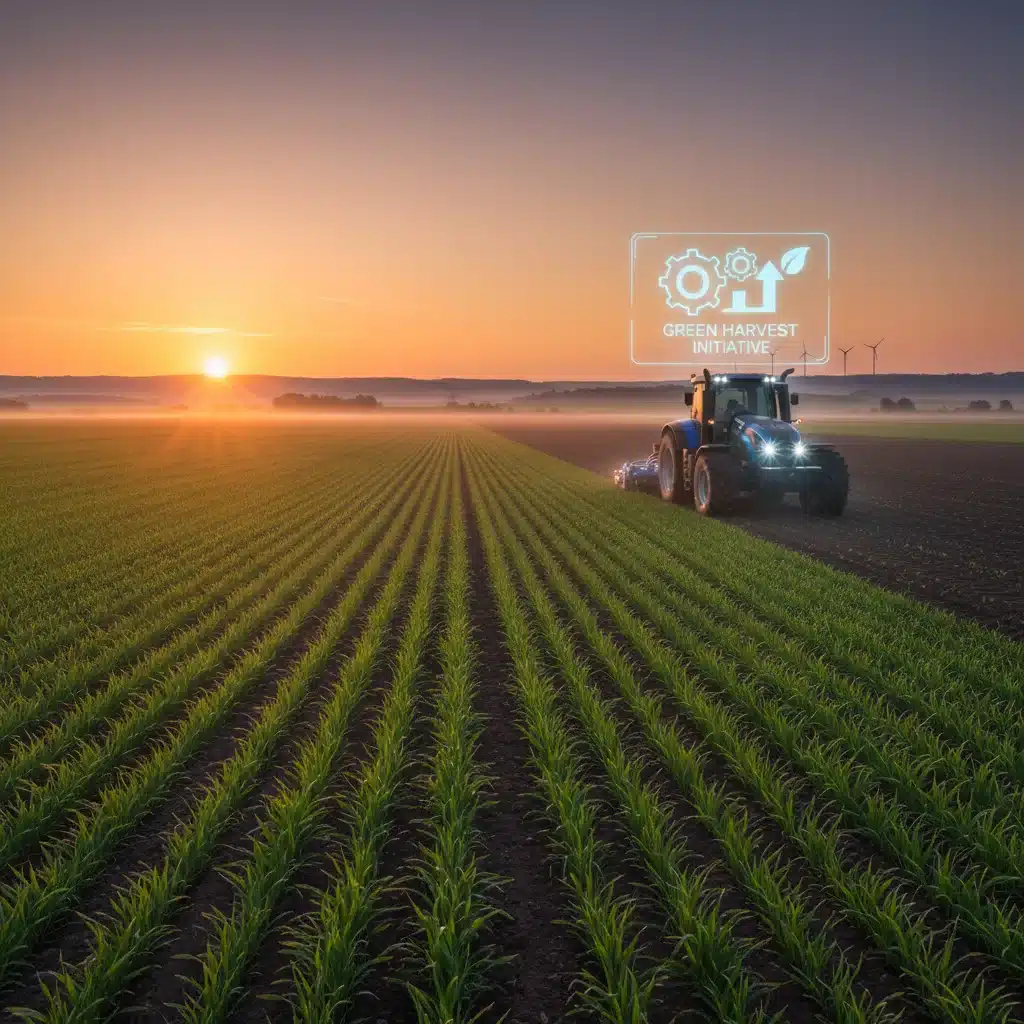
The United States agricultural sector stands at a pivotal juncture, keenly awaiting the revisions to the US Farm Bill 2026. This monumental piece of legislation, typically renewed every five years, dictates the trajectory of food production, rural development, conservation, and, most critically for many producers, crop subsidies. As the current bill approaches its expiration, stakeholders across the nation are already engaging in intense discussions, lobbying efforts, and strategic planning to influence the shape of the next iteration. Understanding the nuances of these potential changes is paramount for farmers, agribusinesses, environmental advocates, and consumers alike, as the ripple effects will be felt throughout the entire food supply chain and beyond.
Anúncios
The Farm Bill 2026 is not merely a collection of agricultural programs; it is a comprehensive policy framework that underpins the stability and sustainability of American agriculture. From commodity programs and crop insurance to nutrition assistance and conservation initiatives, its scope is incredibly broad. The upcoming revisions are expected to address pressing challenges such as climate change, market volatility, food security, and the economic viability of farming operations. The decisions made in the coming years will determine how American farmers adapt to a changing world, how food is produced, and how rural communities thrive.
Historical Context and Evolution of the Farm Bill
To fully grasp the significance of the Farm Bill 2026, it’s essential to appreciate its historical roots and evolution. The first federal farm legislation emerged during the Great Depression, primarily to stabilize agricultural markets and support farmers struggling with low prices and overproduction. Over the decades, the Farm Bill has transformed from a focus on supply management to a complex array of programs addressing multiple facets of agriculture and rural life. Early bills were heavily centered on commodity price supports, aiming to ensure a stable income for farmers. As the agricultural landscape shifted, so did the bill’s priorities, incorporating conservation, rural development, and eventually, nutrition programs.
Each iteration of the Farm Bill reflects the prevailing economic, social, and environmental concerns of its time. For instance, the 1970s saw an increased emphasis on export promotion, while the 1980s introduced significant conservation provisions. More recent bills have grappled with the complexities of global trade, climate change, and the growing demand for sustainable agricultural practices. The continuity of these legislative cycles, while often contentious, provides a predictable framework for agricultural planning and investment. However, the debates surrounding each bill highlight the diverse and often conflicting interests within the agricultural community and among broader society. The upcoming Farm Bill 2026 will undoubtedly continue this tradition, balancing the needs of producers with environmental stewardship and consumer demands.
Anúncios
Key Areas of Anticipated Change in the Farm Bill 2026
As discussions for the Farm Bill 2026 intensify, several key areas are emerging as focal points for potential revisions. These include commodity programs, crop insurance, conservation, nutrition, and rural development. Each of these titles within the bill represents a significant investment and has a profound impact on different segments of the agricultural community.
Commodity Programs and Crop Subsidies
Commodity programs are often at the heart of Farm Bill debates. These programs, which include Price Loss Coverage (PLC) and Agricultural Risk Coverage (ARC), provide a safety net for producers of major crops like corn, soybeans, wheat, and cotton when market prices fall or revenues decline. The structure of these subsidies has always been a subject of intense scrutiny, with debates centering on their fairness, effectiveness, and impact on market dynamics. Critics often argue that current subsidy structures favor larger farms and certain crops, potentially distorting market signals and hindering diversification. Advocates, however, emphasize their crucial role in providing stability and preventing widespread farm failures during periods of low prices or natural disasters.
For the Farm Bill 2026, discussions are likely to revolve around adjusting reference prices, payment limitations, and eligibility requirements. There’s a growing call to make these programs more responsive to regional differences and to better support specialty crop producers who often feel underserved by current frameworks. Furthermore, the rising costs of production and fluctuating global markets will undoubtedly influence proposals for strengthening these safety nets. The goal for many will be to create a system that is both robust enough to protect farmers and flexible enough to adapt to changing economic and environmental conditions.
Crop Insurance Enhancements
Crop insurance is another cornerstone of the Farm Bill, providing vital protection against yield losses and revenue declines due to natural disasters, pests, and market fluctuations. Unlike direct subsidies, crop insurance is a public-private partnership, with the federal government subsidizing premiums to encourage farmer participation. This program has become increasingly important as climate variability leads to more frequent and severe weather events. The Farm Bill 2026 is expected to explore ways to enhance and expand crop insurance options.
Potential revisions could include increasing premium subsidies for certain conservation practices, developing new insurance products for specialty crops or organic production, and improving coverage for emerging risks like drought or extreme heat. There’s also a strong push to make crop insurance more accessible and equitable for underserved farmers, including beginning farmers and those from historically marginalized communities. Balancing the need for comprehensive coverage with fiscal responsibility will be a key challenge in these negotiations. The effectiveness of crop insurance directly impacts farmers’ ability to manage risk and maintain financial stability, making its future structure a critical component of the upcoming bill.
Conservation and Environmental Stewardship
Conservation programs are a vital part of the Farm Bill, offering financial and technical assistance to farmers and ranchers for implementing practices that protect natural resources. Programs like the Environmental Quality Incentives Program (EQIP) and the Conservation Stewardship Program (CSP) incentivize practices such as soil health improvements, water quality protection, and wildlife habitat restoration. With increasing public awareness of climate change and environmental sustainability, the conservation title is expected to receive significant attention in the Farm Bill 2026.
Debates will likely focus on increasing funding for these programs, streamlining application processes, and ensuring that practices are effectively contributing to climate resilience and biodiversity. There’s also a growing interest in linking commodity payments or crop insurance eligibility to certain conservation practices, though this remains a contentious proposal. Furthermore, the bill may introduce new programs or expand existing ones to address emerging environmental challenges, such as carbon sequestration in agricultural soils or the adoption of renewable energy on farms. The balance between agricultural productivity and environmental stewardship will be a central theme, as policymakers seek to support farmers in their role as land stewards.
Impact on Farmers and Agricultural Practices
The revisions to the Farm Bill 2026 will have profound and varied impacts on farmers across the United States. These impacts will differ based on farm size, crop type, geographic location, and existing management practices. Understanding these potential shifts is crucial for farmers to strategize and adapt their operations.
Economic Stability and Risk Management
For many farmers, the Farm Bill’s commodity programs and crop insurance provisions are critical for economic stability. Changes to reference prices, payment limits, or eligibility criteria could significantly alter their financial safety net. A stronger safety net could encourage investment and innovation, while a weaker one might force farmers to take on greater financial risks. For instance, if reference prices for certain crops are adjusted downwards without corresponding market improvements, farmers could face increased vulnerability to price fluctuations. Conversely, enhanced crop insurance options could provide more robust protection against extreme weather events, which are becoming increasingly common.
The bill’s influence on risk management extends beyond direct payments. It can shape decisions regarding crop rotation, land use, and even the adoption of new technologies. Farmers often make long-term investment decisions based on the predictability of Farm Bill programs. Therefore, clarity and stability in the Farm Bill 2026 are highly valued, allowing farmers to plan effectively for future seasons and mitigate potential economic shocks.
Adoption of Sustainable Practices
The conservation titles of the Farm Bill play a significant role in encouraging the adoption of sustainable agricultural practices. Increased funding or new incentives for practices like cover cropping, no-till farming, and precision agriculture could accelerate their adoption across the country. This not only benefits the environment through improved soil health, water quality, and reduced greenhouse gas emissions but can also lead to long-term cost savings and increased resilience for farmers.
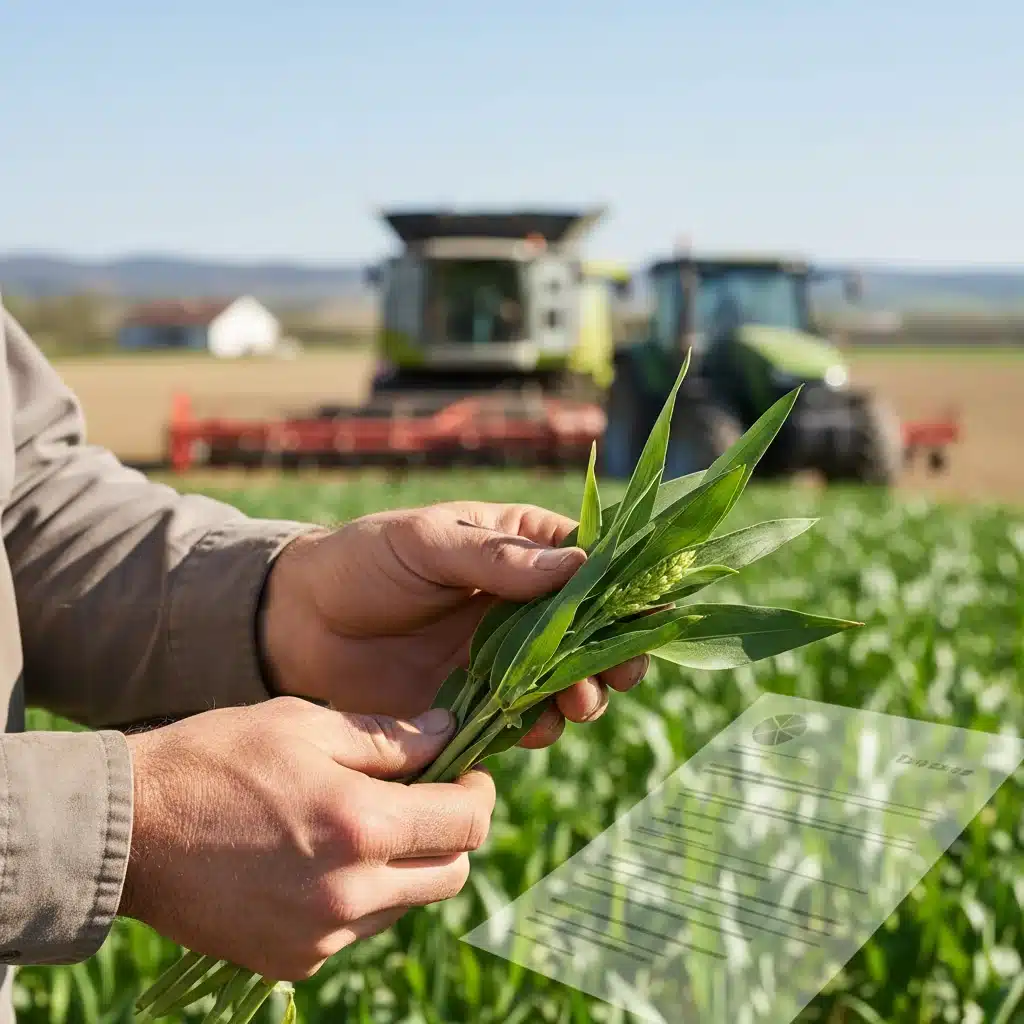
However, the effectiveness of these programs depends on their accessibility, ease of implementation, and the perceived benefits by farmers. The Farm Bill 2026 has the opportunity to simplify application processes and provide more tailored technical assistance, making it easier for a broader range of farmers to participate. There’s also a growing debate about how to integrate climate-smart agricultural practices more deeply into the bill, potentially offering new revenue streams for farmers who adopt carbon-sequestering practices.
Impact on Different Farm Sizes and Types
The Farm Bill’s impact is not uniform. Large-scale commodity farms often benefit significantly from traditional commodity programs, while smaller farms, specialty crop producers, and organic operations may find more support through conservation programs, local food initiatives, or specific grants. The Farm Bill 2026 will likely see continued advocacy for provisions that better support diversified farming systems, local food economies, and beginning farmers. Ensuring equitable access to programs and resources for all types of producers is a recurring challenge that will be central to the upcoming debates. For example, expanding microloan programs or providing technical assistance specifically tailored to smaller operations could help level the playing field.
Broader Agricultural Outlook and Food Security
Beyond individual farm operations, the Farm Bill 2026 will shape the broader agricultural outlook for the United States, influencing everything from food prices to international trade relations and national food security.
Food Prices and Consumer Impact
While the Farm Bill primarily targets producers, its provisions indirectly affect consumers through their impact on food production costs and supply stability. Crop subsidies and insurance programs help stabilize the supply of staple commodities, potentially moderating price volatility for consumers. However, some argue that certain subsidies can lead to overproduction of specific crops, influencing dietary patterns and the availability of diverse foods. The Farm Bill 2026‘s approach to nutrition programs, such as the Supplemental Nutrition Assistance Program (SNAP), will also have a direct and significant impact on millions of American households, addressing food insecurity and promoting healthy eating.
International Trade and Competitiveness
The Farm Bill’s commodity programs and export promotion initiatives have implications for international trade. Subsidies can affect the global prices of agricultural goods, potentially drawing criticism from other trading nations. The Farm Bill 2026 will need to navigate these international considerations, balancing the support for domestic producers with adherence to international trade agreements. Policies that encourage sustainable production and value-added agriculture could enhance the competitiveness of American agricultural products in global markets, while also aligning with evolving consumer preferences worldwide.
Food Security and Resilience
Ensuring a secure and resilient food supply is a fundamental goal of the Farm Bill. In an era of increasing climate change impacts, geopolitical instability, and global pandemics, the ability of the U.S. agricultural sector to consistently produce sufficient food is paramount. The Farm Bill 2026 can strengthen food security by supporting diverse farming systems, investing in agricultural research and development, and building robust supply chains. Provisions that encourage regional food systems and reduce reliance on distant supply chains could also enhance resilience against disruptions. Furthermore, the nutrition title directly addresses food insecurity by providing assistance to vulnerable populations, making it a critical component of national food security strategy.
Challenges and Opportunities for the Farm Bill 2026
Developing the Farm Bill 2026 presents both significant challenges and unique opportunities for policymakers and agricultural stakeholders.
Political Landscape and Budgetary Constraints
The political climate will undoubtedly influence the negotiations for the Farm Bill 2026. Divergent priorities between political parties, urban and rural interests, and different agricultural sectors often lead to contentious debates. Budgetary constraints will also play a major role, as the bill represents a substantial federal expenditure. Finding common ground and securing bipartisan support for a comprehensive and effective bill will be a formidable challenge. The interplay between various committees in Congress, each with its own agenda and constituencies, further complicates the legislative process.
Addressing Climate Change and Sustainability
One of the most pressing opportunities for the Farm Bill 2026 is to more robustly address climate change. There is a growing consensus that agriculture can play a significant role in both mitigating climate change (e.g., through carbon sequestration) and adapting to its impacts (e.g., through drought-resistant crops and improved water management). The bill could significantly expand funding and incentives for climate-smart agriculture, fostering innovation and helping farmers build more resilient operations. This also presents an opportunity to align agricultural policy with broader national climate goals, showcasing American leadership in sustainable food production.
Fostering Innovation and Technology Adoption
The Farm Bill 2026 can also be a catalyst for agricultural innovation and technology adoption. Investments in agricultural research, extension services, and precision agriculture technologies can boost productivity, reduce environmental footprints, and improve farm profitability. Programs that support the development and deployment of new tools, from advanced genetics to artificial intelligence in farming, could help American agriculture remain globally competitive and meet future food demands. Encouraging data-driven farming and providing resources for farmers to integrate these technologies will be key.
Stakeholder Perspectives and Advocacy
The development of the Farm Bill 2026 is a highly participatory process, involving a wide array of stakeholders. Understanding their perspectives is crucial to appreciating the complexities of the legislation.
Farmers and Producer Groups
Farmers and their representative organizations are primary advocates, lobbying for programs that ensure their economic viability and provide effective risk management. Different commodity groups will advocate for their specific interests, often seeking to maintain or enhance support for their respective crops. General farm organizations, on the other hand, often champion broader issues like conservation, rural development, and equitable access to programs for all farmers, regardless of scale or type. Their collective voice is powerful in shaping the legislative agenda, emphasizing the need for a strong safety net and predictable policies.
Environmental and Conservation Organizations
Environmental and conservation groups push for stronger provisions that protect natural resources, promote biodiversity, and address climate change. They often advocate for increased funding for conservation programs, stricter environmental safeguards, and incentives for sustainable farming practices. Their influence has grown significantly over recent decades, leading to a greater emphasis on environmental stewardship within the Farm Bill. They often seek to integrate environmental outcomes more directly into commodity and insurance programs, aiming for a more holistic approach to land management.
Food Security and Nutrition Advocates
Organizations focused on food security and nutrition champion the Supplemental Nutrition Assistance Program (SNAP) and other initiatives that ensure access to healthy food for low-income individuals. They advocate for maintaining or expanding these programs, emphasizing their role in public health and economic well-being. Their advocacy ensures that the Farm Bill is not solely about agricultural production but also addresses the critical human need for food. They often highlight the interconnectedness between agricultural policy and public health outcomes, pushing for policies that support both farmers and consumers.

The collaborative efforts and sometimes conflicting priorities of these groups highlight the multifaceted nature of the Farm Bill. Successful legislation will require compromise and a deep understanding of the diverse needs of American society.
Conclusion: Navigating the Future of American Agriculture
The Farm Bill 2026 represents a critical juncture for American agriculture. Its revisions will not only determine the future of crop subsidies and commodity programs but will also shape the nation’s approach to food security, environmental stewardship, and rural economic development. The debates surrounding this landmark legislation will be complex, reflecting the diverse interests and pressing challenges facing the agricultural sector.
For farmers, the upcoming bill will define their economic safety nets, influence their adoption of sustainable practices, and impact their ability to adapt to a rapidly changing climate. For consumers, it will indirectly affect food prices and directly influence access to nutrition programs. For the nation as a whole, it will underscore our commitment to a resilient, productive, and environmentally responsible agricultural system. As the legislative process unfolds, staying informed and engaged will be crucial for all stakeholders. The decisions made in the Farm Bill 2026 will lay the groundwork for the next generation of American agriculture, guiding it towards a future that is both prosperous and sustainable.