Federal Data Privacy Laws 2026: What Businesses Need to Know
Anúncios
Navigating the Future: Understanding Federal Data Privacy Laws Expected by Mid-2026
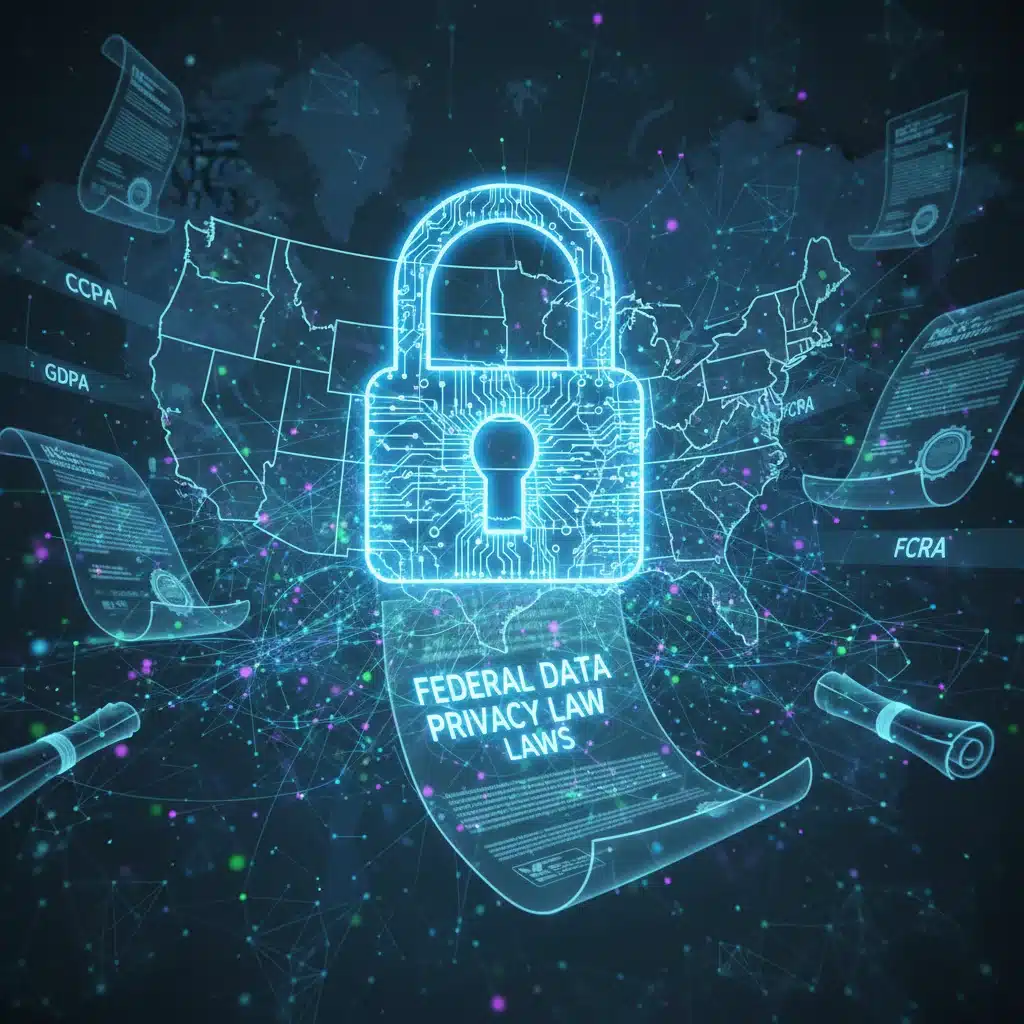
The digital age has brought unprecedented opportunities and challenges, particularly concerning personal data. As technology continues to evolve at a rapid pace, so too does the need for robust regulatory frameworks to protect individual privacy. The United States, often seen as a patchwork of state-level privacy regulations, is on the precipice of a significant shift: the anticipated enactment of comprehensive Federal Data Privacy laws by mid-2026. This monumental development promises to reshape how businesses collect, process, store, and share personal information, demanding a proactive and informed approach to compliance.
Anúncios
For years, the absence of a unified federal standard has created a complex compliance landscape for businesses operating across state lines. Companies have grappled with adhering to disparate regulations like the California Consumer Privacy Act (CCPA), the Virginia Consumer Data Protection Act (VCDPA), and others, leading to increased operational costs and legal uncertainties. The impending Federal Data Privacy legislation aims to harmonize these efforts, providing a clearer, more consistent framework for data protection nationwide. This article delves into the potential scope, implications, and crucial steps businesses must take to prepare for these transformative changes.
The Current Landscape: A Patchwork of State Regulations
Before we look to the future, it’s essential to understand the current regulatory environment. Unlike the European Union’s General Data Protection Regulation (GDPR), which provides a unified privacy standard across member states, the U.S. has historically relied on a sector-specific and state-by-state approach. Key examples include:
Anúncios
- California Consumer Privacy Act (CCPA) and California Privacy Rights Act (CPRA): Often considered the most comprehensive state-level privacy laws, granting consumers significant rights over their personal information, including the right to know, delete, and opt-out of the sale of their data.
- Virginia Consumer Data Protection Act (VCDPA): Similar to CCPA but with some key differences in scope and consumer rights.
- Colorado Privacy Act (CPA): Another comprehensive state law, emphasizing opt-out rights and data protection assessments.
- Utah Consumer Privacy Act (UCPA) and Connecticut Data Privacy Act (CTDPA): More recent additions, each contributing to the diverse regulatory tapestry.
This fragmented approach has presented considerable challenges for businesses. A company operating nationally might need to comply with multiple, sometimes conflicting, sets of rules, leading to increased complexity, legal costs, and the risk of non-compliance. The push for Federal Data Privacy legislation is largely driven by the desire to streamline these efforts, creating a more predictable and efficient regulatory environment for both consumers and businesses.
Why New Federal Data Privacy Laws Are Imperative
The urgency for a federal standard is multifold. Firstly, the sheer volume and sensitivity of data collected by businesses today necessitate stronger protections. From financial records to health information, and even browsing habits, personal data is a valuable commodity, making it a prime target for cybercriminals and misuse. A robust Federal Data Privacy law would establish a baseline of protection for all U.S. citizens, regardless of their state of residence.
Secondly, the lack of uniformity hinders innovation and economic growth. Businesses, particularly small and medium-sized enterprises (SMEs), often struggle to navigate the complex web of state laws, diverting resources from product development and market expansion towards legal compliance. A federal framework could simplify this, fostering a more stable environment for digital commerce and technological advancement.
Thirdly, a unified U.S. stance would strengthen its position in international data transfer agreements. As global data flows become more common, countries with comprehensive data protection laws are better positioned to ensure interoperability and trust with international partners, such as those governed by GDPR. A strong Federal Data Privacy law would enhance the U.S.’s credibility on the global stage.
Key Pillars of Anticipated Federal Data Privacy Legislation
While the exact details of the forthcoming Federal Data Privacy laws are still taking shape, discussions among lawmakers, industry stakeholders, and privacy advocates point to several recurring themes and potential core components:
1. Consumer Rights and Control
Expect the new legislation to grant individuals a robust set of rights regarding their personal data, similar to those found in CCPA and GDPR. These may include:
- Right to Know: Consumers will likely have the right to request information about the personal data a company collects, uses, shares, or sells.
- Right to Access: The ability to access their personal data held by organizations.
- Right to Correct/Rectify: The right to request corrections to inaccurate personal data.
- Right to Delete: The right to request the deletion of their personal data, with certain exceptions.
- Right to Opt-Out: The right to opt-out of the sale or sharing of their personal data for targeted advertising.
- Right to Data Portability: The right to receive their personal data in a structured, commonly used, and machine-readable format.
These rights empower consumers, shifting the balance of control over personal information more towards the individual. Businesses will need to establish clear, accessible mechanisms for individuals to exercise these rights, which will be a significant undertaking for many.
2. Data Minimization and Purpose Limitation
A fundamental principle of modern privacy laws is data minimization – collecting only the data that is necessary for a specific, legitimate purpose. The new Federal Data Privacy laws are likely to enshrine this principle, requiring businesses to articulate clear purposes for data collection and limit the data they gather to what is strictly required for those purposes. This moves away from the ‘collect everything just in case’ mentality that has sometimes prevailed, promoting a more responsible approach to data handling.
3. Data Security Requirements
Strong security measures are paramount to protecting personal data. The legislation will undoubtedly mandate reasonable and appropriate data security practices to prevent unauthorized access, disclosure, alteration, or destruction of personal information. While it may not prescribe specific technologies, it will likely require companies to implement security safeguards commensurate with the sensitivity of the data they handle and the risks involved. This could include requirements for encryption, access controls, regular security audits, and breach notification protocols.
4. Transparency and Accountability
Transparency is key to building trust. Businesses will be required to be transparent about their data practices, typically through comprehensive and easy-to-understand privacy policies. Accountability mechanisms will also be central, potentially including requirements for data protection officers (DPOs) for certain organizations, regular privacy impact assessments (PIAs), and internal record-keeping of data processing activities. Demonstrating compliance, not just achieving it, will be a critical aspect of the new Federal Data Privacy framework.
5. Enforcement and Penalties
For any law to be effective, it must have robust enforcement mechanisms and meaningful penalties for non-compliance. While the exact enforcement body (e.g., FTC, a new dedicated agency) and penalty structures are still subject to debate, it is expected that violations of the Federal Data Privacy laws will carry significant fines, potentially linked to a company’s revenue, similar to GDPR. There may also be provisions for a private right of action, allowing individuals to sue companies for privacy violations, further incentivizing compliance.
Impact on Businesses: What to Expect
The introduction of comprehensive Federal Data Privacy laws will have far-reaching implications across all sectors. Businesses, regardless of size or industry, will need to adapt their practices significantly. Here’s what to anticipate:
Operational Overhaul
Companies will need to conduct thorough audits of their data collection, processing, and storage practices. This includes mapping data flows, identifying all personal data collected, understanding its purpose, and determining where it is stored and with whom it is shared. This operational overhaul will require cross-functional collaboration between legal, IT, marketing, and product development teams.
Technology and Infrastructure Adjustments
Implementing new privacy rights and security measures will necessitate technological upgrades. This could involve investing in privacy-enhancing technologies (PETs), improving data encryption, enhancing access controls, and developing systems to efficiently respond to data subject requests (DSRs). Consent management platforms will become even more critical for managing user preferences.

Legal and Compliance Department Expansion
The demand for privacy legal expertise will surge. Businesses may need to hire dedicated privacy professionals, train existing staff, and engage external counsel to ensure their policies and practices align with the new Federal Data Privacy requirements. Interpreting the law, updating contracts with vendors, and managing risk will be ongoing challenges.
Marketing and Sales Strategy Re-evaluation
Targeted advertising and data monetization strategies will likely face stricter scrutiny. Businesses will need to re-evaluate how they obtain consent for marketing communications and how they use data for personalized experiences. The emphasis on opt-out rights and clear disclosures will require a more transparent and consumer-centric approach to marketing.
Vendor and Third-Party Management
Companies are often responsible for the data shared with their third-party vendors and service providers. The new Federal Data Privacy laws will likely impose stricter requirements on vendor contracts, necessitating robust data processing agreements (DPAs) that outline responsibilities, security measures, and compliance obligations. Businesses will need to audit their vendor ecosystem to ensure everyone in the data supply chain is compliant.
Preparing for Federal Data Privacy Laws: A Strategic Roadmap
While mid-2026 might seem distant, the complexity of implementing comprehensive privacy measures means that businesses should start preparing now. Proactive preparation can mitigate risks, reduce compliance costs, and build consumer trust. Here’s a strategic roadmap:
Step 1: Conduct a Data Inventory and Mapping Exercise
Understand what personal data your organization collects, where it comes from, where it is stored, who has access to it, and with whom it is shared. This comprehensive data inventory is the foundation for all subsequent privacy efforts. Tools and software can assist in automating this process, but human oversight is crucial.
Step 2: Review and Update Privacy Policies and Notices
Ensure your current privacy policies are transparent, easily understandable, and accurately reflect your data practices. Begin drafting updates that anticipate the new Federal Data Privacy requirements, focusing on clear explanations of consumer rights and how to exercise them. Make sure these policies are accessible on your website and applications.
Step 3: Strengthen Data Security Measures
Assess your current cybersecurity posture. Implement strong encryption for data at rest and in transit, enforce multi-factor authentication, conduct regular vulnerability assessments and penetration testing, and establish robust incident response plans. Data breaches are costly, both financially and reputationally, and strong security is a cornerstone of privacy.
Step 4: Establish Data Subject Request (DSR) Mechanisms
Develop clear, efficient, and well-documented processes for handling consumer requests related to their data rights (e.g., access, deletion, correction). This includes defining roles and responsibilities, setting timelines for responses, and ensuring secure communication channels. Automation can play a key role in managing the volume of such requests.
Step 5: Train Employees on Data Privacy Best Practices
Human error is a leading cause of data breaches. Implement mandatory and ongoing privacy awareness training for all employees, emphasizing their roles in protecting personal data, recognizing phishing attempts, and adhering to company privacy policies. This fosters a culture of privacy throughout the organization.
Step 6: Evaluate Third-Party Vendor Relationships
Review all contracts with vendors and service providers who process personal data on your behalf. Ensure that these agreements include appropriate data protection clauses, specify security obligations, and align with anticipated Federal Data Privacy requirements. Be prepared to renegotiate or terminate relationships with vendors who cannot meet the new standards.
Step 7: Implement Privacy by Design and Default
Integrate privacy considerations into the design and development of all new products, services, and systems. This ‘Privacy by Design’ approach means thinking about privacy from the outset, rather than as an afterthought. Similarly, ‘Privacy by Default’ ensures that the highest privacy settings are automatically applied unless explicitly changed by the user.

Challenges and Opportunities
While the transition to a federal privacy framework will undoubtedly present challenges, it also offers significant opportunities. The primary challenge lies in the sheer scale of the undertaking – re-evaluating and potentially overhauling existing data practices across an entire organization. The cost of compliance, particularly for smaller businesses, will be a concern, though federal legislation might offer tiered requirements based on business size or data volume.
However, the opportunities are equally compelling. A unified Federal Data Privacy law can:
- Simplify Compliance: Reduce the complexity and cost of complying with multiple state laws.
- Enhance Consumer Trust: Businesses that demonstrate strong privacy practices can build greater trust and loyalty with their customers.
- Foster Innovation: A clear regulatory environment can provide stability, encouraging investment and innovation in data-driven technologies.
- Strengthen Global Standing: Align the U.S. more closely with international data protection standards, facilitating cross-border data flows.
Conclusion: A New Era for Data Privacy
The anticipation of new Federal Data Privacy laws by mid-2026 marks a pivotal moment for data protection in the United States. This will not merely be an update to existing regulations but a fundamental shift towards a more unified, comprehensive, and consumer-centric approach to personal data. For businesses, this means moving beyond a reactive compliance mindset to a proactive strategy that embeds privacy into every facet of their operations.
Starting preparations now is not just about avoiding penalties; it’s about seizing the opportunity to build a stronger foundation of trust with customers, streamline operations, and position your organization for success in an increasingly privacy-aware world. Stay informed, engage with legal and privacy experts, and begin your journey towards robust Federal Data Privacy compliance today. The future of data protection is arriving, and readiness is key.