government grants for community programs: find funding fast
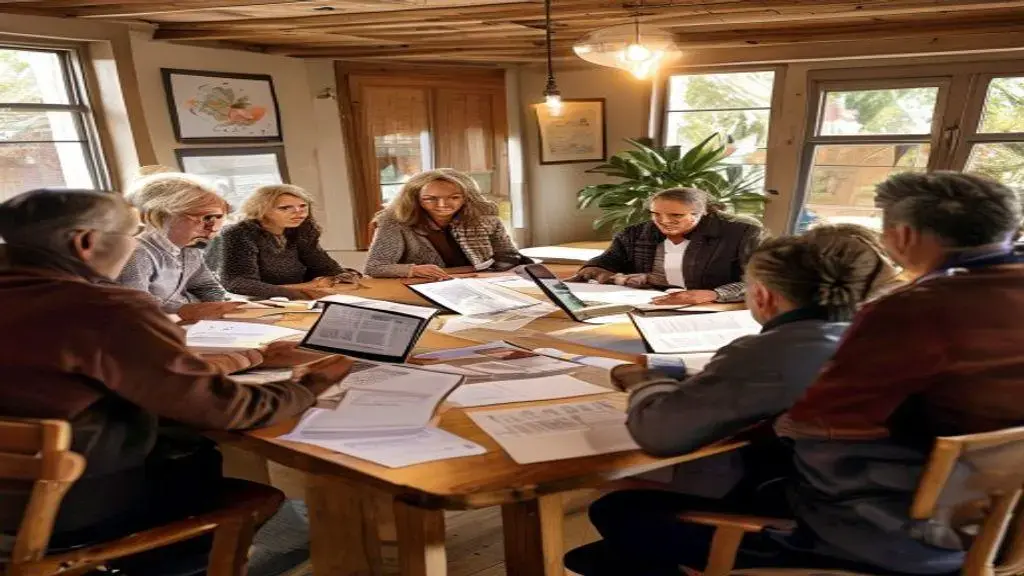
government grants for community programs fund local projects that meet specific priorities; to win support, demonstrate clear goals, measurable outcomes, a realistic budget, compliance capacity, strong community partnerships, and submit applications that follow funder guidelines and required documentation.
government grants for community programs can unlock new resources for local groups. Want to know which opportunities fit your project, how to prepare a clear budget and avoid common mistakes? I’ll share practical steps and real examples to make the application process less overwhelming.
Understanding available grants and who qualifies
government grants for community programs are public funds that support local projects like youth services, health initiatives, and neighborhood improvement. Knowing what grants exist helps you target the right opportunities.
Start by matching your project’s goals to funders’ priorities. Clear goals make applications simpler and increase your chances of success.
Types of grants to consider
Grants come in different forms and sizes. Pick the type that fits your timeline and scale.
- Federal grants: larger awards for broad programs, often with strict reporting.
- State and local grants: smaller, faster to access, good for community-level projects.
- Foundation grants: private funds that may be flexible and relationship-based.
- Corporate giving: partnerships with companies that offer funding or in-kind support.
Each type has distinct rules. Read notices carefully to avoid wasting time on ineligible grants.
Who typically qualifies
Nonprofits and local governments are common recipients. Schools, faith-based groups, and community coalitions may also qualify.
Some grants allow fiscal sponsorship, where a nonprofit applies on behalf of a new group. This can open doors for emerging projects.
Eligibility often depends on location, population served, and project scope. Check if your work aligns with funder priorities like equity, youth services, or public health.
Common eligibility requirements
Funders want simple documentation. Prepare these items early to speed up applications.
- Proof of nonprofit status or a fiscal sponsor.
- Clear project goals and a simple budget.
- Letters of support or partnership agreements.
Many grants also ask for outcome measures. Think about how you will track impact before you apply.
When unsure, contact the grant officer with concise questions. A short call or email can save time and clarify fit.
Build a calendar of deadlines and required reports. Good organization helps your team meet milestones and stay compliant.
government grants for community programs often reward clear plans and measurable results. Focus on match between your needs and the funder’s goals, prepare basic documents, and seek local partners to strengthen your case.
How to craft a compelling grant proposal

government grants for community programs demand a clear plan and a simple story. A strong proposal shows what you will do, who benefits, and how you will prove success.
Keep language plain, focus on outcomes, and show realistic steps you can follow.
Write a concise need statement
Describe the problem in one or two short paragraphs. Use local facts and a human example to make the issue real.
Explain why your group is best placed to solve this problem and what will change if you get funding.
Define goals, activities, and outcomes
State clear goals and link each activity to a measurable outcome.
- Goal: what you want to change, stated simply and briefly.
- Activities: the steps you will take, with a timeline.
- Outcomes: specific, measurable results you expect.
- Indicators: how you will track progress and show impact.
Use numbers when possible, like the number of people served or percent change you expect. Funders look for concrete plans.
Budget clarity matters. List costs by category and explain why each cost is needed. Show how funds will be spent over the project period and attach a simple budget table when allowed.
Describe staffing and roles briefly. Funders want to know who will do the work and how you will manage the project.
Build partnerships that add value. Letters of support from local partners strengthen credibility and show community backing.
Common pitfalls to avoid
Avoid vague goals, long jargon, and missing links between activities and outcomes. Be precise and honest about capacity.
- Don’t overpromise: match goals to your track record.
- Don’t skip evaluation: explain how you will measure results.
- Don’t ignore funder guidelines: follow page limits and submission rules.
Write in short paragraphs and use headings to guide the reader. A reviewer should find key points fast without hunting through long text.
Before you submit, have someone outside your team read the proposal for clarity. Small edits can improve tone and fix unclear passages.
Finish with a one-paragraph project summary that ties goals, activities, budget, and measurement together. A tight summary helps reviewers remember your proposal and see its fit with funder priorities.
Budgeting, reporting and compliance essentials
government grants for community programs require clear budgets and honest reporting to keep funds flowing. Small steps now save time during audits or reviews.
Learn how to set up simple budgets, track spending, and meet compliance rules so your project stays on track.
Build a clear budget framework
Create categories for personnel, supplies, travel, and indirect costs. Use short notes to explain each line.
Label each cost as either direct or indirect. This helps reviewers see why funds are needed.
- List expected costs by month or quarter.
- Include quotes or estimates for major purchases.
- Show any matching funds or in-kind support.
- Keep a backup file with receipts and vendor info.
Track expenses and simplify reporting
Use a single spreadsheet or accounting tool for the grant. Record each transaction with date, amount, and purpose.
Write short memos for unusual expenses so reviewers understand them later.
Set a regular check-in to reconcile bank statements and update the budget. Small reviews avoid big surprises.
Understand compliance basics
Know which costs are allowed and which are not. Read the grant’s terms and follow page limits and templates.
Keep records for the required period and store digital copies in a secure folder with clear file names.
Be ready for audits: have timesheets, invoices, contracts, and proof of services easily available.
- Follow procurement rules for purchases.
- Document staff time with timesheets when charging salaries.
- Keep partner agreements and letters of support on file.
When reporting outcomes, tie financial data to program results. Show how spending led to the planned activities and measurable outcomes.
Use simple charts or short tables in reports to make impact clear. Reviewers appreciate concise, well-organized evidence.
If you find an error, correct it quickly and note the change in your next report. Transparency builds trust and reduces risk of fund recovery.
Train one or two staff on grant rules so knowledge is shared. Cross-checks reduce mistakes and keep projects compliant.
With clear budgets, steady tracking, and honest reporting, your team can meet funder expectations and focus on community impact.
Strengthening partnerships and demonstrating community impact

government grants for community programs are more competitive when local partners join forces. Partners bring skills, reach, and credibility that help projects grow and win support.
Start with clear roles, small shared goals, and simple agreements. Trust grows from small successes.
Choose partners with complementary strengths
Look for groups that fill gaps in your capacity. A partner might offer space, staff time, or access to a target population.
Agree early on who does what and how you will share credit and costs.
- Nonprofits with program experience
- Schools or clinics that reach the people you serve
- Businesses offering in-kind support
- Local government or coalitions for broader reach
Set simple agreements and communication routines
Use short memorandums of understanding (MOUs) to note roles and timelines. Keep language plain and tasks specific.
Hold regular check-ins and use a shared calendar. Clear communication prevents missed deadlines and confusion.
Document any shared resources and how costs are split. This helps when you report to funders.
Measure impact with clear, simple metrics
Decide what success looks like in numbers and stories. Combine counts, quality checks, and short surveys.
- Participants served or sessions held
- Change in knowledge or behavior (% improvement)
- Attendance and retention rates
- Cost per participant or service delivered
Collect baseline data before activities start and simple follow-up data after. Small surveys and attendance logs often give enough evidence.
Use both numbers and personal stories. A short quote or photo (with permission) can make results feel real to reviewers.
Share data in brief, visual formats: one-page summaries, tables, or charts. Funders scan quickly and prefer clear evidence.
When possible, involve partners in evaluation. Shared data collection builds trust and creates a common view of what worked.
Train staff and volunteers on data entry and privacy practices so records stay accurate and secure.
Strong partnerships plus clear, measurable impact make proposals more persuasive. Focus on shared goals, simple agreements, and honest evidence to strengthen your chances with funders.
In short, government grants for community programs award projects that match funder priorities, show clear plans, and prove results. Keep goals simple, track spending carefully, build local partnerships, and measure impact — these steps make applications stronger and help your community benefit.
FAQ – Questions about government grants for community programs
How do I know if my project qualifies for a government grant?
Read the grant notice for eligibility rules (organization type, location, population served). Check funder priorities and contact the grant officer with short questions.
What documents do funders usually require?
Common items are proof of nonprofit status or fiscal sponsor, a clear project description, a simple budget, letters of support, and a plan to measure outcomes.
How can partnerships make my proposal stronger?
Partners add skills, reach, and credibility. Include brief MOUs or letters showing roles, shared resources, and how partners will help deliver results.
What are the basics of budgeting, reporting, and compliance?
Track expenses in one place, keep receipts and timesheets, follow allowed-cost rules, submit timely reports, and store records securely for audits.