Early Childhood Education 2026: Comparing Program Models for Optimal Development
Early Childhood Education 2026: Comparing Program Models for Optimal Development
The landscape of early childhood education is continually evolving, with new research and pedagogical approaches shaping how we prepare our youngest learners for a complex world. As we look towards 2026 and beyond, parents and educators are increasingly seeking clarity on which educational models offer the most profound benefits for optimal child development. Choosing the right program is not merely about childcare; it’s about laying a robust foundation for cognitive, social, emotional, and physical growth that will impact a child’s entire life. This comprehensive guide delves into three prominent early childhood education models: Montessori, Reggio Emilia, and Play-Based Learning, offering a detailed comparison to help you make an informed decision.
The Crucial Role of Early Childhood Education
Before diving into specific models, it’s essential to understand why early childhood education (ECE) holds such paramount importance. The period from birth to age five is a time of rapid brain development, forming the neural pathways that underpin all future learning. High-quality ECE programs are linked to numerous long-term benefits, including higher academic achievement, improved social-emotional skills, better health outcomes, and even increased earning potential in adulthood. These programs provide a structured yet nurturing environment where children can explore, discover, and develop essential skills that go beyond basic literacy and numeracy. They foster curiosity, problem-solving abilities, creativity, and resilience – qualities that are increasingly vital in the 21st century.
In 2026, the emphasis on holistic development within early childhood education is stronger than ever. The focus has shifted from mere academic preparation to nurturing the whole child, recognizing that social, emotional, and physical well-being are just as critical as cognitive growth. This holistic approach prepares children not only for school but for life, equipping them with adaptability and a love for learning.
Understanding the Montessori Method in Early Childhood Education
Philosophy and Core Principles
The Montessori method, developed by Dr. Maria Montessori over a century ago, is perhaps one of the most well-known and enduring early childhood education approaches. Its core philosophy is rooted in observing the child and recognizing their innate potential for self-directed learning. Key principles include:
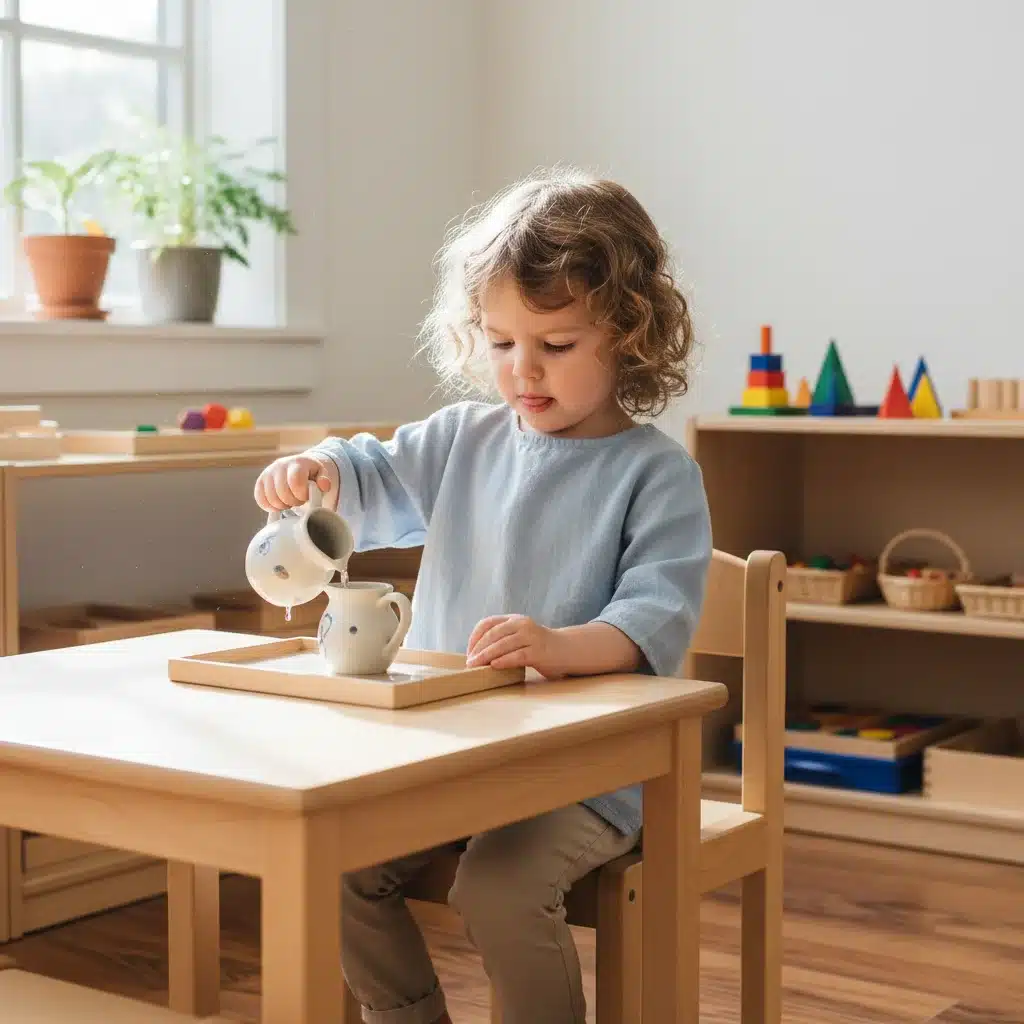
- Prepared Environment: Classrooms are meticulously organized with child-sized furniture and specific, self-correcting learning materials. Everything has a purpose and a place, encouraging order and independence.
- Self-Directed Learning: Children are given freedom within limits to choose their activities and work at their own pace. The teacher (or ‘directress’) acts as a guide, observing and offering support when needed, rather than directly instructing.
- Mixed-Age Classrooms: Typically, children from three different age groups (e.g., 3-6 years old) learn together. This fosters peer-to-peer learning, mentorship, and a sense of community, allowing older children to reinforce their knowledge by teaching younger ones, and younger children to be inspired by their older peers.
- Concrete to Abstract: Learning begins with concrete, hands-on materials that allow children to discover concepts through manipulation, gradually moving towards abstract understanding.
- Respect for the Child: The method emphasizes treating children with respect, recognizing their unique developmental timelines, and fostering their natural curiosity and desire to learn.
Curriculum and Activities
Montessori classrooms are divided into distinct areas of learning, each with specialized materials:
- Practical Life: Activities like pouring, sweeping, buttoning, and food preparation develop fine motor skills, concentration, independence, and a sense of responsibility.
- Sensorial: Materials designed to refine the five senses, such as color tablets, sound cylinders, and geometric solids, help children classify and order impressions from the environment.
- Language: Activities range from sandpaper letters to movable alphabets, fostering phonological awareness, reading, and writing skills.
- Mathematics: Concrete materials introduce concepts of quantity, number recognition, arithmetic operations, and geometry.
- Culture: Includes geography, history, botany, zoology, and art, expanding the child’s understanding of the world around them.
The emphasis is on individualized learning, allowing each child to progress at their own pace without competition. This approach to early childhood education encourages deep concentration and a love for learning rather than rote memorization.
Pros and Cons of the Montessori Approach
Pros:
- Fosters Independence and Self-Discipline: Children learn to manage their time, make choices, and complete tasks independently.
- Develops Concentration: The self-correcting materials and uninterrupted work periods cultivate deep focus.
- Individualized Learning: Caters to each child’s unique pace and interests.
- Hands-On Learning: Concrete materials make abstract concepts accessible and engaging.
- Mixed-Age Group Benefits: Encourages social skills, mentorship, and a natural learning environment.
Cons:
- Cost: Montessori programs can be more expensive than traditional preschools due to specialized training and materials.
- Lack of Flexibility: Some critics argue the structured nature of the materials can limit imaginative play and creativity.
- Teacher Training Variation: The quality of Montessori programs can vary significantly depending on the teacher’s training and adherence to the philosophy.
- Transition Challenges: Children accustomed to such high levels of independence might initially struggle in more traditional, teacher-led environments.
Exploring the Reggio Emilia Approach in Early Childhood Education
Philosophy and Core Principles
Originating from the town of Reggio Emilia in Italy, this approach to early childhood education gained prominence through the work of Loris Malaguzzi. It is less a method and more a philosophy, highly responsive to the children’s interests and the unique cultural context of each community. Key tenets include:
- The Child as a Protagonist: Children are seen as competent, curious, and full of potential, with an innate desire to learn and connect with the world.
- The Hundred Languages of Children: This poetic concept suggests children express their understanding in countless ways – through drawing, sculpting, dramatic play, writing, music, dance, and more. All forms of expression are valued and encouraged.
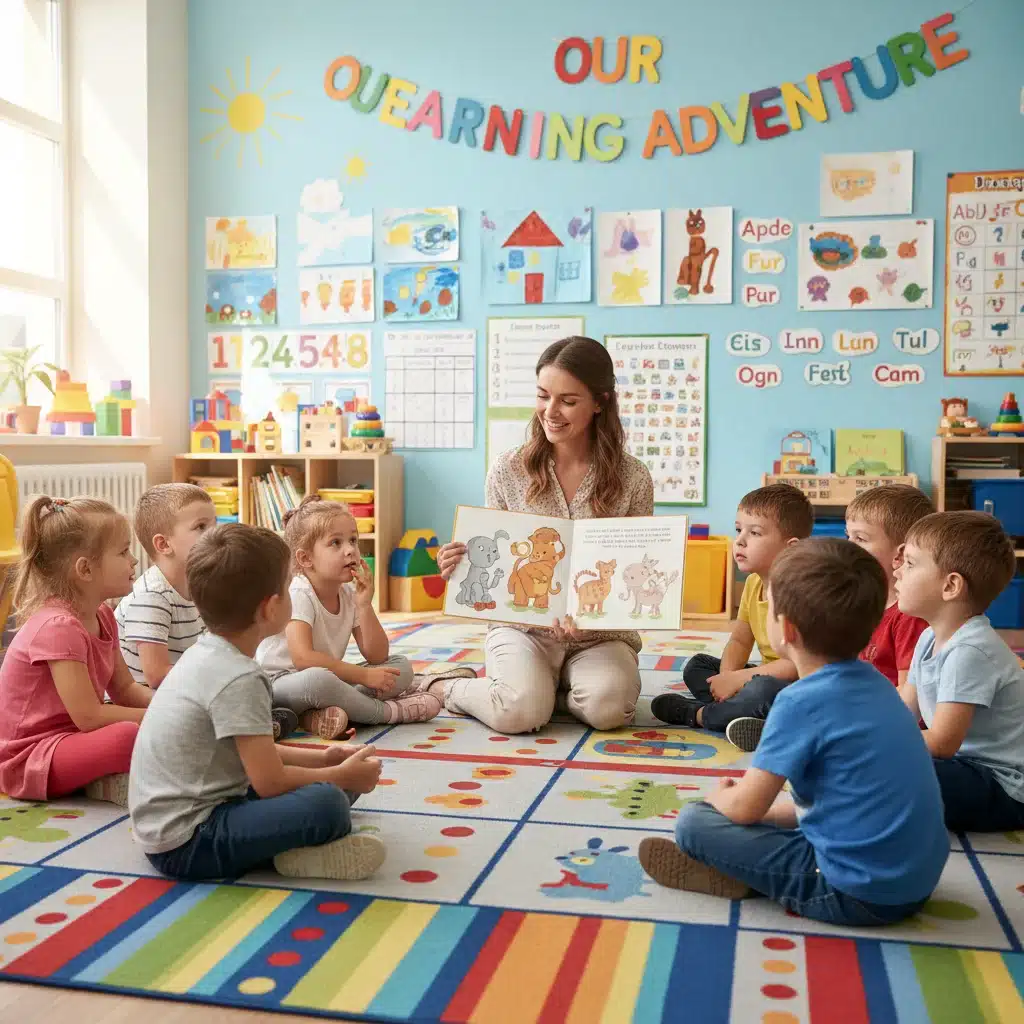
- The Environment as the Third Teacher: The physical space is considered a vital educator, designed to be beautiful, stimulating, and reflective of the children’s work and interests. Natural light, open spaces, and aesthetic appeal are paramount.
- Project-Based Learning: Learning occurs through in-depth, long-term projects that emerge from the children’s interests. These projects encourage collaboration, research, problem-solving, and critical thinking.
- Documentation: Teachers meticulously document children’s work, conversations, and learning processes through photos, transcripts, and portfolios. This makes learning visible, allows for reflection, and informs future curriculum development.
- The Role of the Teacher as Co-Learner: Teachers are not just instructors but researchers, observers, and collaborators who learn alongside the children. They provoke thought, offer resources, and help children deepen their investigations.
Curriculum and Activities
The Reggio Emilia curriculum is emergent, meaning it is not pre-planned but evolves based on the children’s curiosities and questions. Projects can last for weeks or even months, allowing for deep exploration of topics. Activities are often open-ended and involve a rich array of materials, often referred to as ‘provocations,’ which invite children to explore and create. Examples include:
- Ateliers (Studios): Dedicated art studios with a wide range of materials (clay, paint, wire, natural objects) where children can experiment with different forms of expression. An ‘atelierista’ (art specialist) often facilitates these experiences.
- Light and Shadow Play: Using projectors, natural light, and translucent materials to explore concepts of light, shadow, and perception.
- Nature Exploration: Bringing natural elements into the classroom or taking children out to explore the natural world, fostering a connection with their environment.
- Collaborative Construction: Working together on large-scale building projects using various materials.
- Storytelling and Drama: Encouraging children to create and enact their own stories, often incorporating their artistic creations.
Pros and Cons of the Reggio Emilia Approach
Pros:
- Fosters Creativity and Critical Thinking: Open-ended projects and diverse materials encourage imaginative problem-solving.
- Strong Sense of Community: Emphasizes collaboration among children, teachers, and parents.
- Deep and Meaningful Learning: Project-based approach allows for in-depth exploration of topics.
- Respects Child’s Agency: Values children’s ideas, questions, and forms of expression.
- Rich Learning Environment: Classrooms are aesthetically pleasing and highly stimulating.
Cons:
- Can Be Resource-Intensive: Requires highly trained teachers, rich materials, and often smaller class sizes, leading to higher costs.
- Less Structured: The emergent curriculum might feel less predictable for some parents or children accustomed to more traditional structures.
- Implementation Challenges: Truly replicating the Reggio Emilia approach requires a deep understanding of its philosophy and a supportive community, which can be difficult outside of its origin.
- Documentation Demands: Extensive documentation requires significant time and skill from teachers.
The Play-Based Learning Model in Early Childhood Education
Philosophy and Core Principles
Play-Based Learning is arguably the most widespread and intuitively understood approach to early childhood education. Its central tenet is that play is not just recreation but a fundamental vehicle for learning and development. Children learn best when they are actively engaged, curious, and motivated, and play naturally provides these conditions. Key principles include:
- Child-Initiated and Teacher-Supported Play: While children lead their play, teachers strategically set up environments, provide materials, and intervene to extend learning.
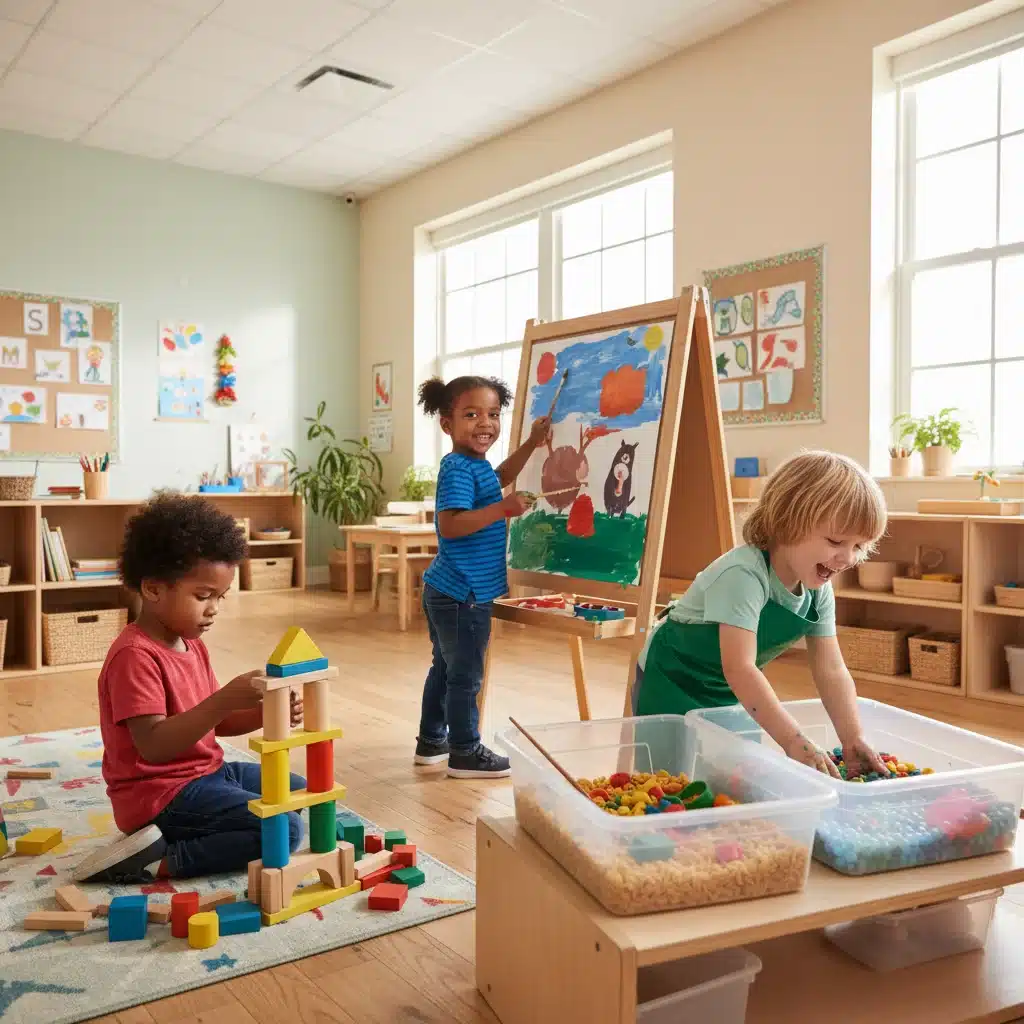
- Holistic Development: Play naturally integrates cognitive, social, emotional, and physical development. A child building a block tower is developing fine motor skills, spatial reasoning, problem-solving, and potentially social skills if collaborating.
- Intrinsic Motivation: When children choose their play, they are internally motivated, leading to deeper engagement and more sustained learning.
- Exploration and Discovery: Play allows children to experiment, test hypotheses, and discover how the world works without fear of failure.
- Developmentally Appropriate Practice: Play-based programs are designed to align with the typical developmental stages of young children, offering experiences that are challenging yet achievable.
Curriculum and Activities
In a play-based early childhood education setting, the curriculum emerges from the children’s interests and is facilitated through various play centers and activities. While there might be planned themes, the execution is flexible and responsive to the children. Examples of activities include:
- Dramatic Play: Dress-up corners, pretend kitchens, and doctor’s offices allow children to act out real-life scenarios, developing social skills, language, and empathy.
- Block Play: Building with various types of blocks enhances spatial reasoning, mathematical concepts, problem-solving, and creativity.
- Art and Sensory Play: Open-ended art materials (paint, clay, collage) and sensory bins (sand, water, rice) promote fine motor skills, creativity, and sensory exploration.
- Outdoor Play: Running, climbing, digging, and exploring nature develop gross motor skills, risk assessment, and an appreciation for the natural world.
- Manipulatives and Puzzles: These activities strengthen fine motor skills, problem-solving, and cognitive development.
- Storytelling and Music: Integrating stories, songs, and musical instruments fosters language development, rhythm, and emotional expression.
Teachers in play-based settings are skilled observers who know when to step back and when to step in to extend learning, ask open-ended questions, or introduce new concepts within the context of play.
Pros and Cons of the Play-Based Approach
Pros:
- Highly Engaging and Enjoyable: Children are naturally motivated to learn through play, making the experience positive and fun.
- Fosters Holistic Development: Addresses all areas of development simultaneously.
- Develops Social-Emotional Skills: Encourages cooperation, negotiation, empathy, and conflict resolution.
- Cost-Effective: Often more accessible and affordable than highly specialized programs.
- Flexible and Adaptable: Can be implemented in various settings and adapted to diverse needs.
Cons:
- Perceived Lack of Academic Rigor: Some parents worry it’s ‘just play’ and might not adequately prepare children for formal schooling, though research refutes this.
- Quality Varies: The effectiveness heavily depends on the teacher’s ability to facilitate learning within play, not just supervise.
- Less Structured for Some Learners: Children who thrive on explicit instruction or highly structured tasks might initially find it challenging.
- Potential for Inconsistency: Without a rigid curriculum, the learning trajectory can sometimes feel less predictable.
Comparing the Three Early Childhood Education Models for 2026
While each model has its unique strengths, understanding their differences and overlaps is key to choosing the best fit for your child and family. Here’s a comparative overview:
Teacher’s Role and Interaction
- Montessori: The teacher is a ‘guide’ or ‘directress,’ observing, preparing the environment, and presenting materials. Interaction is often one-on-one or in small groups, with minimal whole-group instruction.
- Reggio Emilia: Teachers are ‘co-learners’ and researchers, facilitating projects, provoking thought, and meticulously documenting children’s work. Interaction is highly collaborative and conversational.
- Play-Based: Teachers are facilitators, setting up rich environments, observing play, and intervening strategically to extend learning through questions, suggestions, or new materials.
Curriculum Structure and Flexibility
- Montessori: Highly structured curriculum with specific, sequential materials. While children choose activities, the activities themselves are prescribed.
- Reggio Emilia: Emergent curriculum driven by children’s interests and documented projects. Highly flexible and responsive.
- Play-Based: Flexible curriculum guided by themes and children’s interests, implemented through open-ended play. Less rigid than Montessori, more structured than pure Reggio Emilia.
Emphasis on Academics vs. Holistic Development
- Montessori: Strong emphasis on academic skills (reading, writing, math) introduced through concrete materials, alongside practical life and sensorial development.
- Reggio Emilia: Holistic development through creative expression, collaboration, and in-depth project work. Academic concepts are integrated naturally within projects.
- Play-Based: Primarily focuses on holistic development, with academic skills integrated organically through play experiences.
Learning Environment
- Montessori: ‘Prepared environment’ with specific, self-correcting materials organized into distinct learning areas. Order and calm are prioritized.
- Reggio Emilia: ‘Third teacher’ environment – aesthetically rich, open, full of natural light, and displaying children’s work. Designed to provoke curiosity and interaction.
- Play-Based: Inviting and stimulating environment with various play centers (dramatic play, blocks, art, sensory) that encourage exploration and interaction.
Child’s Role
- Montessori: Independent, self-directed learner making choices within a structured environment.
- Reggio Emilia: Competent, curious, and collaborative researcher and communicator.
- Play-Based: Active explorer, creator, and socializer, learning through self-initiated and teacher-supported play.
Choosing the Optimal Early Childhood Education Model for Your Child
Selecting the right early childhood education program for your child is a deeply personal decision, influenced by your child’s personality, your family values, and your educational goals. There is no single ‘best’ model, as what works wonderfully for one child might not be the ideal fit for another. Here are some factors to consider:
Consider Your Child’s Personality and Learning Style
- Independent and Self-Motivated? Montessori might appeal to children who thrive on working independently, concentrating for long periods, and mastering tasks at their own pace.
- Creative and Collaborative? Reggio Emilia could be perfect for children who love artistic expression, working on long-term projects, and engaging in deep discussions.
- Energetic and Social? Play-Based learning often suits children who learn best through active exploration, social interaction, and hands-on experimentation.
Reflect on Your Family’s Values and Educational Goals
- Do you prioritize early academic exposure and independent work? Montessori might align more closely.
- Do you value creativity, community, and the arts above all else? Reggio Emilia could be a strong contender.
- Do you believe that learning through joyful, free-flowing play is paramount for holistic development? A high-quality Play-Based program would be ideal.
Practical Considerations
- Cost and Accessibility: Montessori and Reggio Emilia programs can be more expensive due to specialized training and materials. Play-based programs are often more widely available and affordable.
- Teacher Quality: Regardless of the model, the quality of the teachers is paramount. Seek out passionate, well-trained educators who understand child development.
- Environment and Atmosphere: Visit potential schools. Does the environment feel warm, inviting, and stimulating? Observe the children – are they engaged, happy, and interacting positively?
- Parent Involvement: Some models (like Reggio Emilia) actively encourage strong parent involvement, while others might have less structured opportunities. Consider what level of involvement you desire.
The Future of Early Childhood Education in 2026
Looking ahead to 2026, the trends in early childhood education suggest an increasing integration of best practices from various models. We are likely to see more hybrid approaches that blend the independence of Montessori, the project-based creativity of Reggio Emilia, and the holistic joy of play-based learning. Technology will continue to play a supporting role, not as a replacement for hands-on experience, but as a tool for enhanced learning and documentation.
Furthermore, there will be an even greater emphasis on social-emotional learning (SEL) across all early childhood education settings. Recognizing that emotional intelligence and self-regulation are critical predictors of success, programs will continue to embed activities and strategies that foster empathy, resilience, and positive relationships. The focus will remain on creating environments where children feel safe, valued, and empowered to explore their world with confidence and curiosity.
Conclusion
The journey through early childhood is a remarkable one, filled with discovery and immense growth. Choosing the right early childhood education model is a significant decision that can profoundly shape this journey. Whether you lean towards the structured independence of Montessori, the creative collaboration of Reggio Emilia, or the joyful exploration of Play-Based Learning, the most important factor is finding a program that champions your child’s unique potential, fosters a love for learning, and prepares them for a future that is both challenging and full of possibilities. By carefully considering the philosophies, curricula, and practical aspects of these leading models, parents and educators can work together to ensure that every child receives an optimal start in their educational adventure in 2026 and beyond.